Halloween and Christian Families: Different Perspectives, Shared Questions
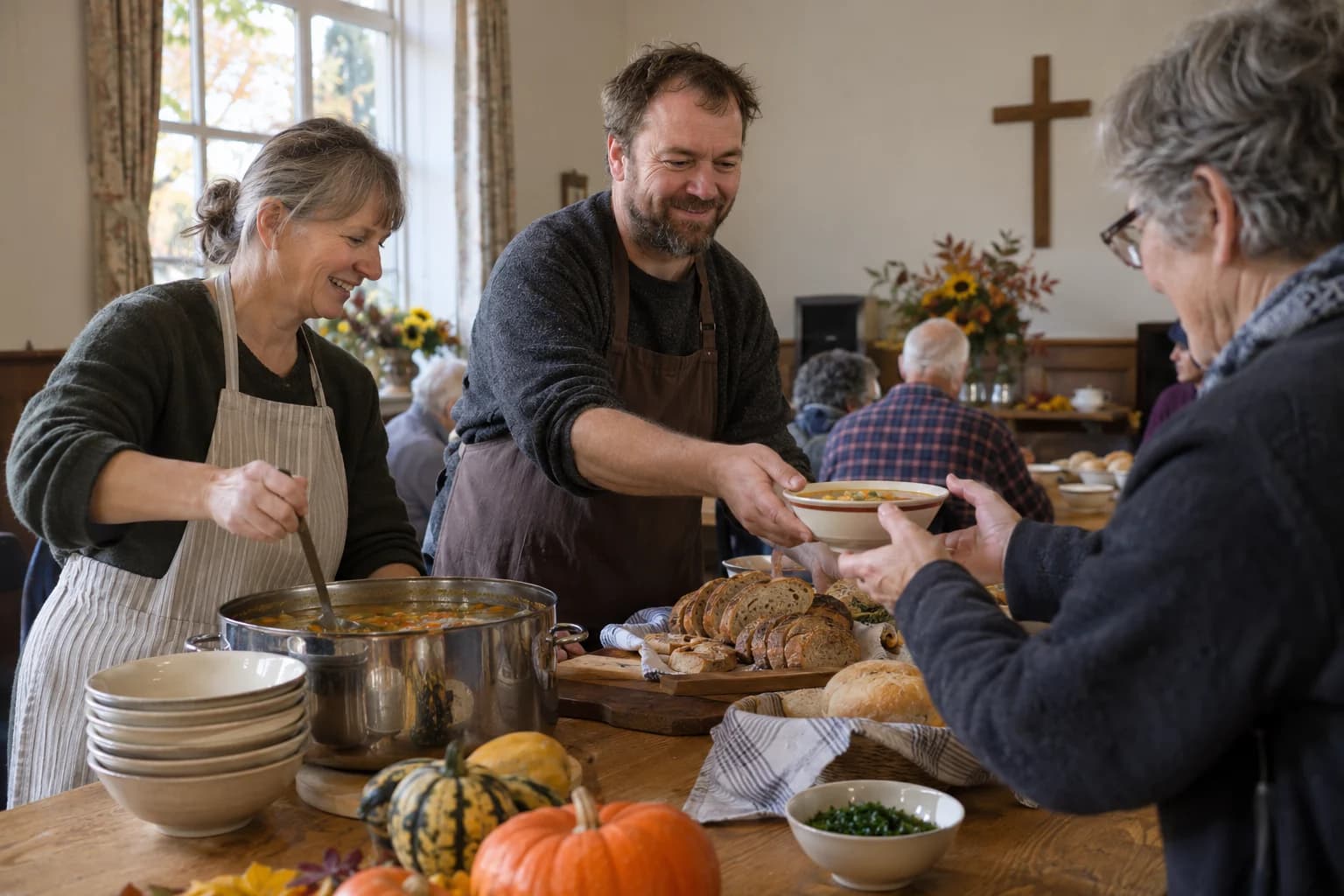
By mid-October, invitations can arrive from school, neighbors, and the local church: a costume evening, a pumpkin activity, a harvest festival. For Christian families, the question is often more specific than whether Halloween is good or bad. What will happen at this event? Does it fit our beliefs? Will our child feel comfortable? Christians answer those questions differently, including within the same denomination. A thoughtful plan can respect conviction while keeping relationships warm.
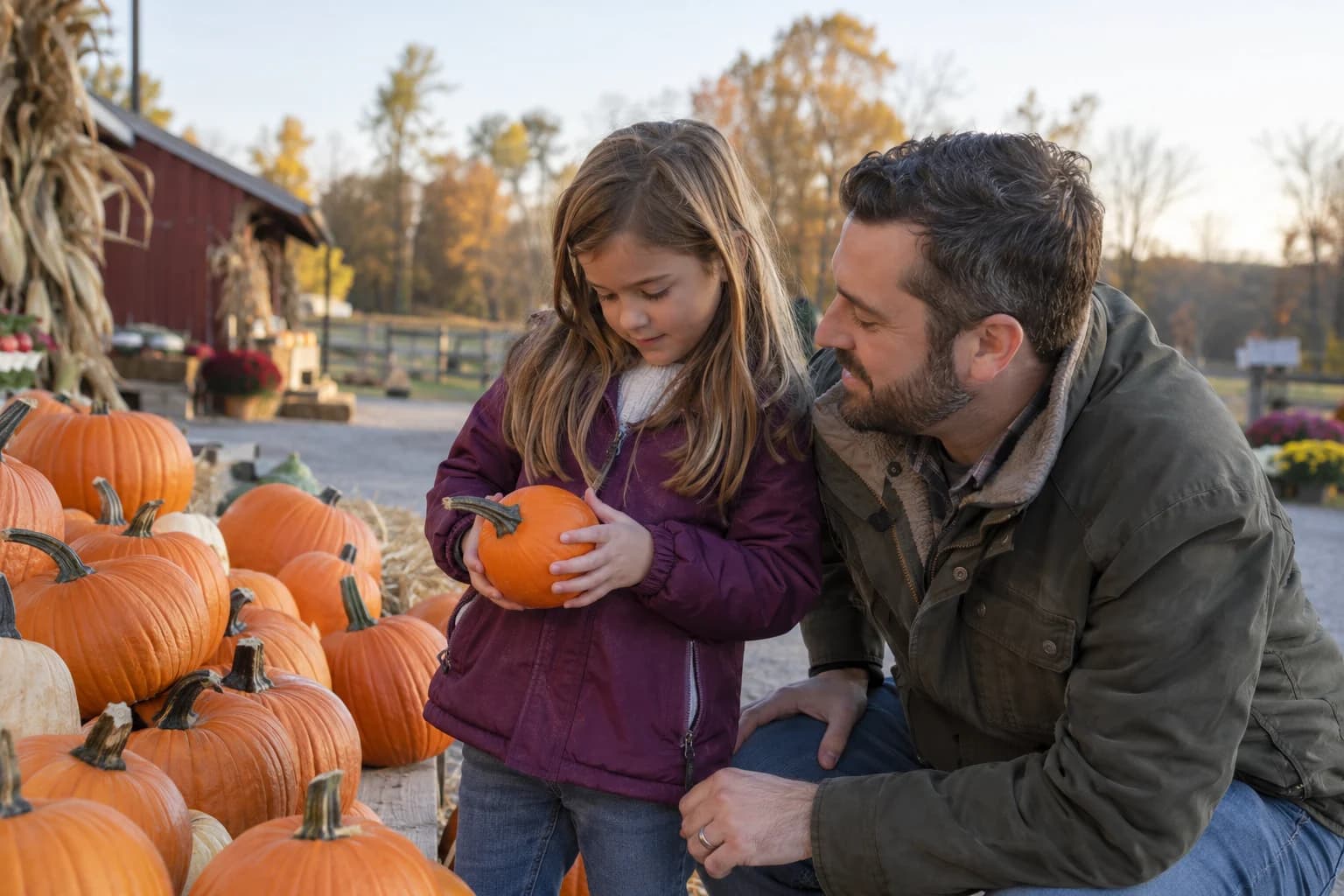
Decide about the actual activity, explain your family’s boundaries kindly, and leave room for other Christians to make a different choice.
Your quick checklist
- Read the event description rather than relying on its title.
- Ask about costumes, frightening content, supervision, food, and timing.
- Explain your plans to children before invitations become last-minute pressure.
- Choose a welcoming alternative if your family decides not to participate.
Begin with the event in front of you
Halloween falls on October 31. In 2026 that date is a Saturday, which makes timing especially relevant for families observing the seventh-day Sabbath. A church activity may take place on a different day. Check the full date and start and finish times rather than assuming that every October event happens on Halloween itself.
A pumpkin craft session, a frightening attraction, and a neighborhood visit are different experiences. Ask what the organizers actually plan, who will supervise children, whether adults remain with them, and whether there is a quiet option. An event called a harvest festival may still include costumes or decorations your child finds unsettling.
Understand the name without oversimplifying the history
Halloween is connected in name with All Hallows’ Eve, the evening before All Saints in Western Christian calendars. That connection helps explain why October 31 and November 1 appear together in conversations about faith and remembrance. It does not settle how a family should respond to every modern custom.
The United Methodist Church’s explanation distinguishes church observances from evolving cultural celebrations and describes local alternatives. Use that as an example of one church body’s guidance, not as a policy binding all Christians. Avoid simple claims that every Halloween activity has one meaning or one origin.
Have a calm family conversation
Ask children what they want to enjoy and what concerns them. They may care about seeing friends rather than frightening costumes. Explain your own boundaries in concrete terms: perhaps your family welcomes a pumpkin activity but avoids horror, or chooses an ordinary evening together instead. Children can understand a clear plan more easily than an argument about everyone else’s choices.
Do not ask a child to defend family theology to classmates. Help them practice a brief, friendly response and arrange another opportunity to see friends. If adults in the household disagree, discuss the details privately and settle on a plan before presenting expectations to the children.
Ask useful questions about church events
Ask whether an event includes a worship service, a short talk, games, sweets, or fundraising. Find out whether registration is required, whether visitors are welcome, and whether there are costs. A church location alone does not tell you the content or suitability of the program.
For families with allergies or sensory needs, contact the organizer in advance about ingredients, lighting, sound, queues, and a place to step away. Ask how photographs are handled. These practical details often determine whether a child can enjoy an event more than its seasonal name does.
Keep neighborliness at the center
A family can decline an invitation without judging the host. Thank the organizer, explain your own plan briefly, and avoid turning the exchange into a public debate. If you participate, respect other families who choose not to and never pressure children to join an activity that conflicts with their household’s beliefs.
If your family wants a different plan, consider an autumn walk, cooking together, a board-game evening, or volunteering through an established local project. An alternative does not need to be elaborate or marketed as a statement against the neighbors. Make it something your household can enjoy on its own terms.
Find guidance from the actual congregation
The notes below identify questions to ask across the traditions represented on NearMeChurch. They do not assign a universal Halloween position to a denomination. Congregations and households can differ, especially about costumes, neighborhood activities, and events near a religious observance.
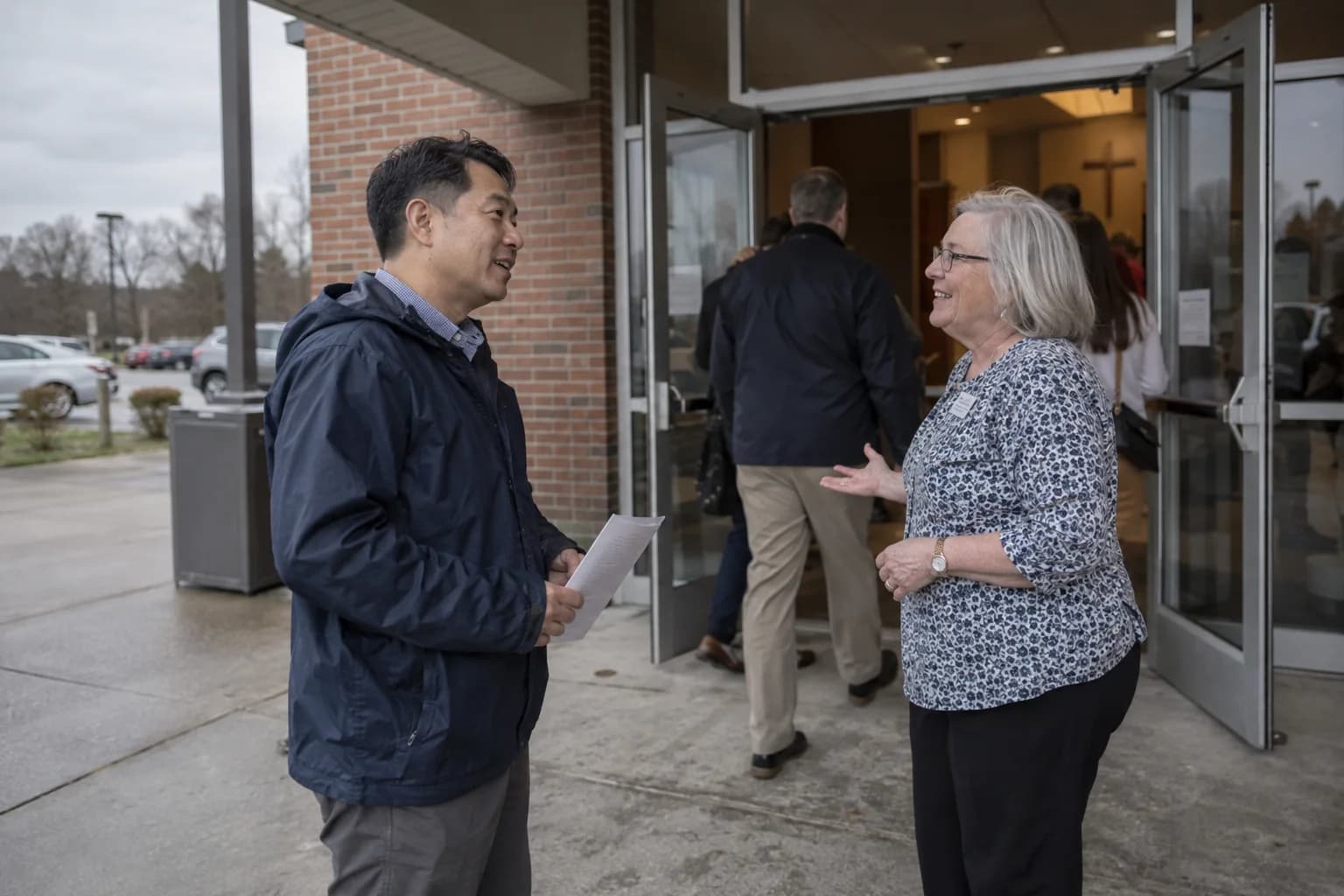
Use the church listing to locate contact details, then check its current October program. If you are new, explain the age of your children and the kind of activity you are seeking. Specific information will help the church give a useful answer and help your family choose with confidence.
By denomination
These notes cover the ten traditions in our denomination guide. They combine background with practical questions to ask. A source from one church body does not speak for every church in its wider tradition; confirm local arrangements with your congregation.
Orthodox Christianity
Orthodox families should ask their priest about local guidance rather than assume that Halloween belongs to the parish calendar. The Western November date of All Saints should not be imposed on Orthodox observance. Discuss the particular activity and any concerns about its themes before deciding.
Catholic Christianity
Catholic families may connect this period with All Saints and All Souls while making different choices about cultural Halloween activities. Ask the parish whether it offers a saints-themed gathering or other family event. Such an event does not establish that every Catholic family follows the same custom.
Baptist Churches
Baptist churches are locally governed in many traditions, and Halloween programs or objections vary. Ask whether this church offers a fall festival, neighborhood activity, or no seasonal event. Read the program details and discuss your family’s boundaries with the organizer instead of assuming a Baptist-wide rule.
Pentecostal Churches
Pentecostal churches and households differ in their responses to Halloween and to themes they associate with spiritual harm. Ask the pastor about the congregation’s teaching and actual plans. Do not assume that every Pentecostal family either participates in a church alternative or rejects every autumn activity.
Lutheran Churches
Lutheran families may encounter Reformation observances around October 31 alongside cultural Halloween invitations. Ask the church how its calendar and family events fit together. Reformation worship and Halloween activities are distinct, and the denomination name does not determine a household’s choice about costumes.
Methodist and Wesleyan Churches
United Methodist guidance discusses the relationship between Halloween and All Saints and mentions community alternatives. Other Methodist and Wesleyan bodies may approach the issue differently. Ask the local church about its program and allow families to decide about specific activities without pressure.
Presbyterian and Reformed Churches
Presbyterian and Reformed communities may hold Reformation-related events, autumn gatherings, or ordinary worship without a seasonal program. Ask about the congregation’s guidance and the content of any activity. Local practice should not be treated as a single position shared by every Reformed church.
Anglican and Episcopal Churches
Anglican and Episcopal parishes may place All Saints worship near cultural Halloween activities, while local approaches vary. Ask whether a gathering is a religious observance, a family social event, or both. The presence of one event does not mean that every household participates in the other.
Seventh-day Adventist Churches
Seventh-day Adventist families should consider Sabbath timing as well as event content: October 31, 2026 is a Saturday. Ask the congregation about suitable activities and its teaching concerning spiritualism. Adventist teaching about death should not be confused with portrayals of departed people communicating with the living.
Nondenominational and Independent Churches
Nondenominational and independent churches determine their own teaching and seasonal activities. One may advertise a family festival while another avoids Halloween-related events. Ask for a clear description of the program, its purpose, and the expectations for visitors before deciding whether it suits your household.
Prepared by NearMeChurch with AI assistance. Linked church sources explain specific practices; local arrangements can change. Suggest a correction.