A Season of Gratitude: How Christians Give Thanks
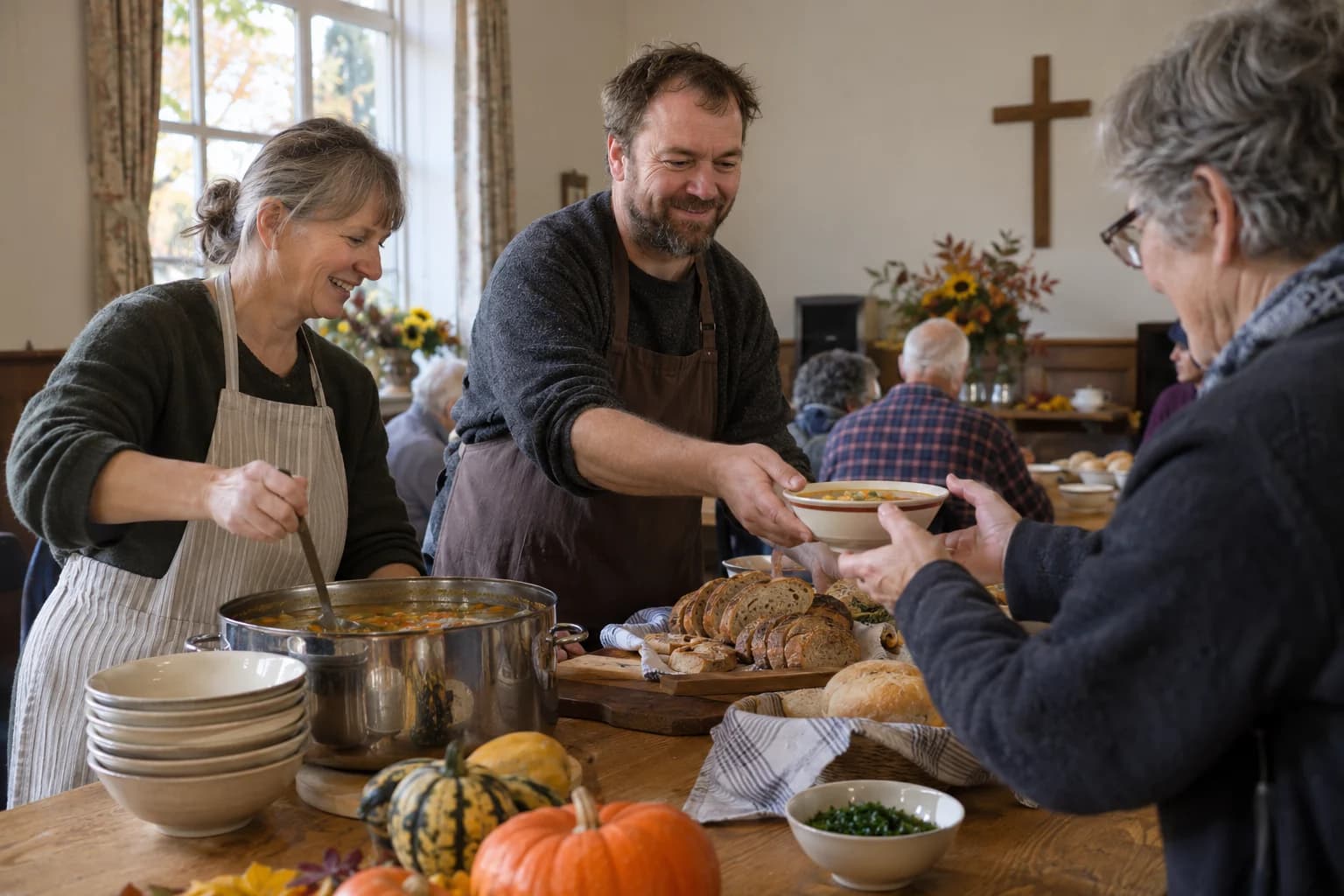
An autumn meal can begin with something small: bread passed to a neighbor, a remembered kindness, a quiet prayer before eating. As October moves toward winter in the Northern Hemisphere, harvest imagery gives many churches a way to reflect on what sustains their communities. Christians express gratitude in different forms, and no single harvest service or national holiday belongs to every denomination. You can explore those differences while finding one practical way to give thanks this week.
Let gratitude lead to a concrete act of care. You do not need a special service, a large donation, or a perfect autumn celebration to begin.
Your quick checklist
- Ask a local church whether it has an autumn thanksgiving service or community meal.
- Check what a food pantry actually needs before buying donations.
- Make room for people whose autumn includes grief, illness, or financial strain.
- Choose one small practice of thanks that you can continue after the season.
Why gratitude fits this time of year
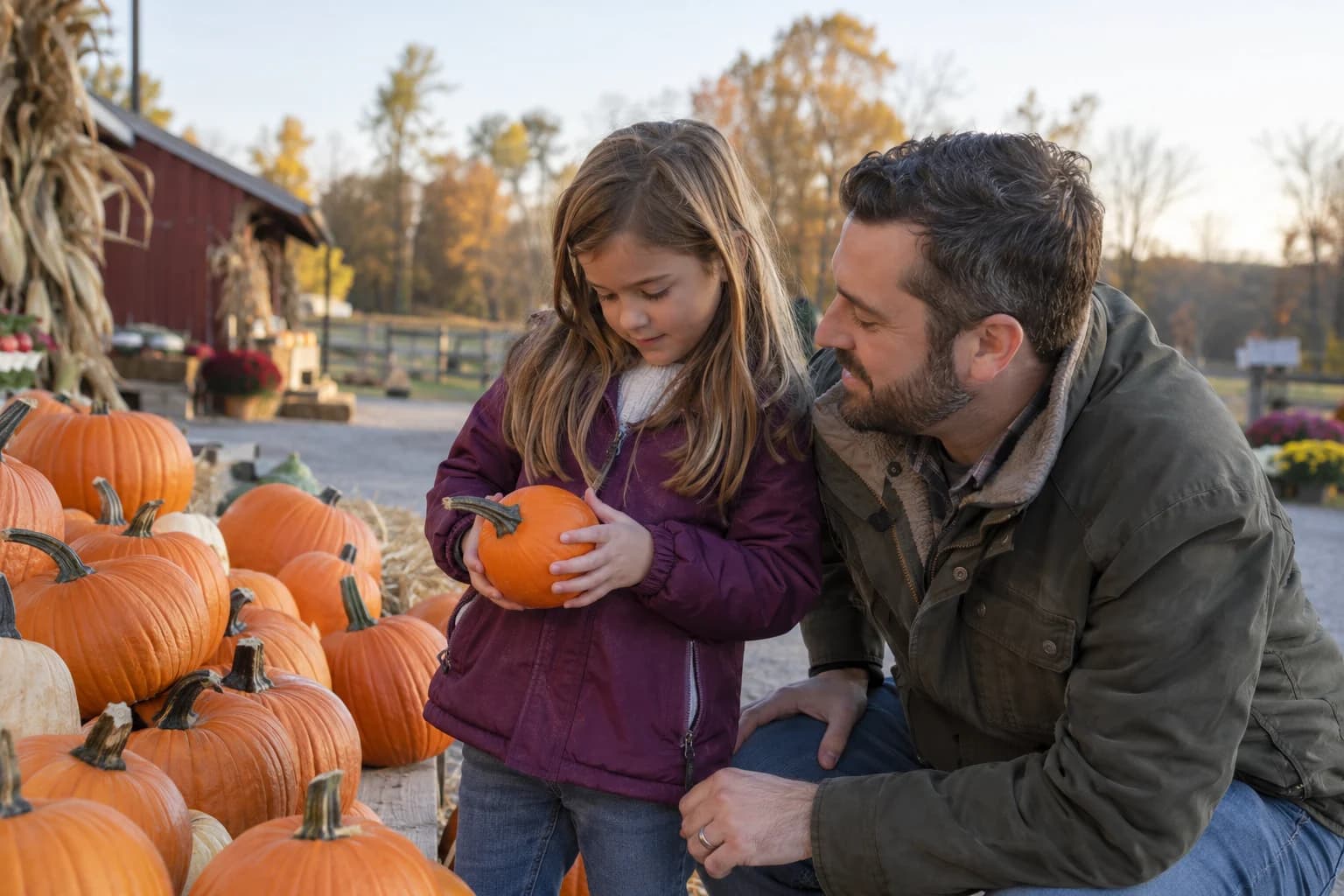
In many northern communities, October brings harvested produce, shorter days, and preparations for colder weather. These changes can make the work behind daily food more visible: growing, transporting, cooking, and sharing it. A church harvest display can become an invitation to notice those people rather than simply admire seasonal decorations.
Autumn is not universal in October. Southern Hemisphere readers are entering spring, and agricultural seasons differ by region. National Thanksgiving holidays also fall on different dates. Ask what this congregation means by a thanksgiving or harvest event instead of assuming a single worldwide Christian calendar.
Begin with attention, Scripture, and prayer
Psalm 100 connects thanksgiving with worship, while 1 Thessalonians 5:18 calls Christians to give thanks in their circumstances. Reading a short passage slowly can provide a starting point for conversation: What have we received? Who has helped us? What responsibility comes with what we have?
Giving thanks does not require calling suffering good. Someone who has lost work or a loved one may be able to name a supportive friend while still expressing anger or sadness. Leave space for both. At a shared meal, invite people to contribute a thought or simply listen; public speaking should never be the price of belonging.
Turn thanks into useful generosity
Contact the pantry or ministry before organizing a collection. Storage space, opening hours, and requested items can change. A small donation of needed goods may be more useful than a large delivery of unsuitable food. Ask whether money, volunteer time, or help with transport would make the greatest difference.
Treat recipients as neighbors with choices. Avoid making help conditional on joining a service or appearing in a publicity photograph. If you volunteer, choose a commitment you can keep. A reliable hour next month can matter as much as enthusiasm during a single harvest weekend.
Explore traditions without flattening them
Christian gratitude includes both everyday prayer and formal worship. In sacramental traditions, thanksgiving is closely connected with the Eucharist; other congregations may emphasize testimony, hymns, preaching, or prayer before meals. These are examples of emphasis rather than boundaries that prevent Christians from sharing other practices.
The denomination notes below are starting points for a conversation, not a promise about a particular event. Ask the local church what visitors may join, especially when Communion is involved. You can appreciate a service and give thanks alongside others without assuming every ritual is open to everyone.
A simple practice for the coming week
At one meal each day, name a specific gift and a person whose work made it possible. Later in the week, thank that person directly if appropriate, or support a local service connected with the need you noticed. Keep the practice manageable enough that children, busy adults, and people living alone can adapt it.
To explore a congregation near you, use NearMeChurch to find its listing and then confirm seasonal events with the church itself. A directory is a starting point; the congregation can explain current arrangements, visitor expectations, and practical ways to help.
By denomination
These notes cover the ten traditions in our denomination guide. They combine background with practical questions to ask. A source from one church body does not speak for every church in its wider tradition; confirm local arrangements with your congregation.
Orthodox Christianity
Orthodox worship places thanksgiving within the Divine Liturgy and daily prayer. Ask a parish about prayers before meals and local harvest customs; these can vary by culture. If a meal follows worship, check fasting considerations and visitor arrangements rather than assuming every seasonal food is suitable.
Catholic Christianity
Catholic thanksgiving is closely connected with the Eucharist and also appears in daily grace before meals. Ask the parish whether it has a harvest blessing or food collection. Attending a meal or Mass does not automatically establish eligibility to receive Communion; check parish guidance beforehand.
Baptist Churches
Baptist congregations may express thanks through prayer, hymns, personal testimony, and practical giving. Local churches make many of their own arrangements, so ask whether an advertised thanksgiving event is a service, a supper, or a collection, and whether visitors need to register.
Pentecostal Churches
In Pentecostal communities, gratitude may be expressed through praise, spoken prayer, and testimony about God’s care. Ask the congregation how visitors can take part without feeling pressured to speak publicly. A thanksgiving gathering can also offer a practical opportunity to support a local ministry.
Lutheran Churches
Lutheran worship includes thanksgiving in prayer and song, with local harvest observances varying by church body and region. Ask how the congregation connects its autumn activities with ordinary worship and service. Confirm Communion practice separately if you plan to attend a Eucharistic service.
Methodist and Wesleyan Churches
Methodist and Wesleyan churches can connect gratitude with service to neighbors through meals, collections, and volunteer work. Ask what this congregation actually needs and how visitors may help. A local autumn event should not be treated as a required custom across every Wesleyan church.
Presbyterian and Reformed Churches
Presbyterian and Reformed congregations may emphasize gratitude as a response to God’s grace in everyday life. Explore how the church connects preaching and prayer with stewardship and care for neighbors. Harvest celebrations and national Thanksgiving services depend on the congregation and its context.
Anglican and Episcopal Churches
Anglican and Episcopal congregations may offer harvest thanksgiving services alongside their regular pattern of common prayer and Eucharist. Ask about the local calendar, donation requests, and service format. Customs differ across countries, provinces, and individual parishes, even when familiar prayers are shared.
Seventh-day Adventist Churches
Seventh-day Adventist communities gather for Sabbath worship on Saturday, where gratitude may be expressed through prayer, music, and service. Confirm event times rather than assuming Sunday. Ask about food preferences before contributing to a shared meal and about local opportunities to support neighbors.
Nondenominational and Independent Churches
Nondenominational and independent churches set their own autumn programs. Look for a clear explanation of the church’s beliefs and the purpose of its thanksgiving event. Ask whether a collection supports an established local partner and how a newcomer can contribute without taking on an ongoing commitment.
Prepared by NearMeChurch with AI assistance. Linked church sources explain specific practices; local arrangements can change. Suggest a correction.