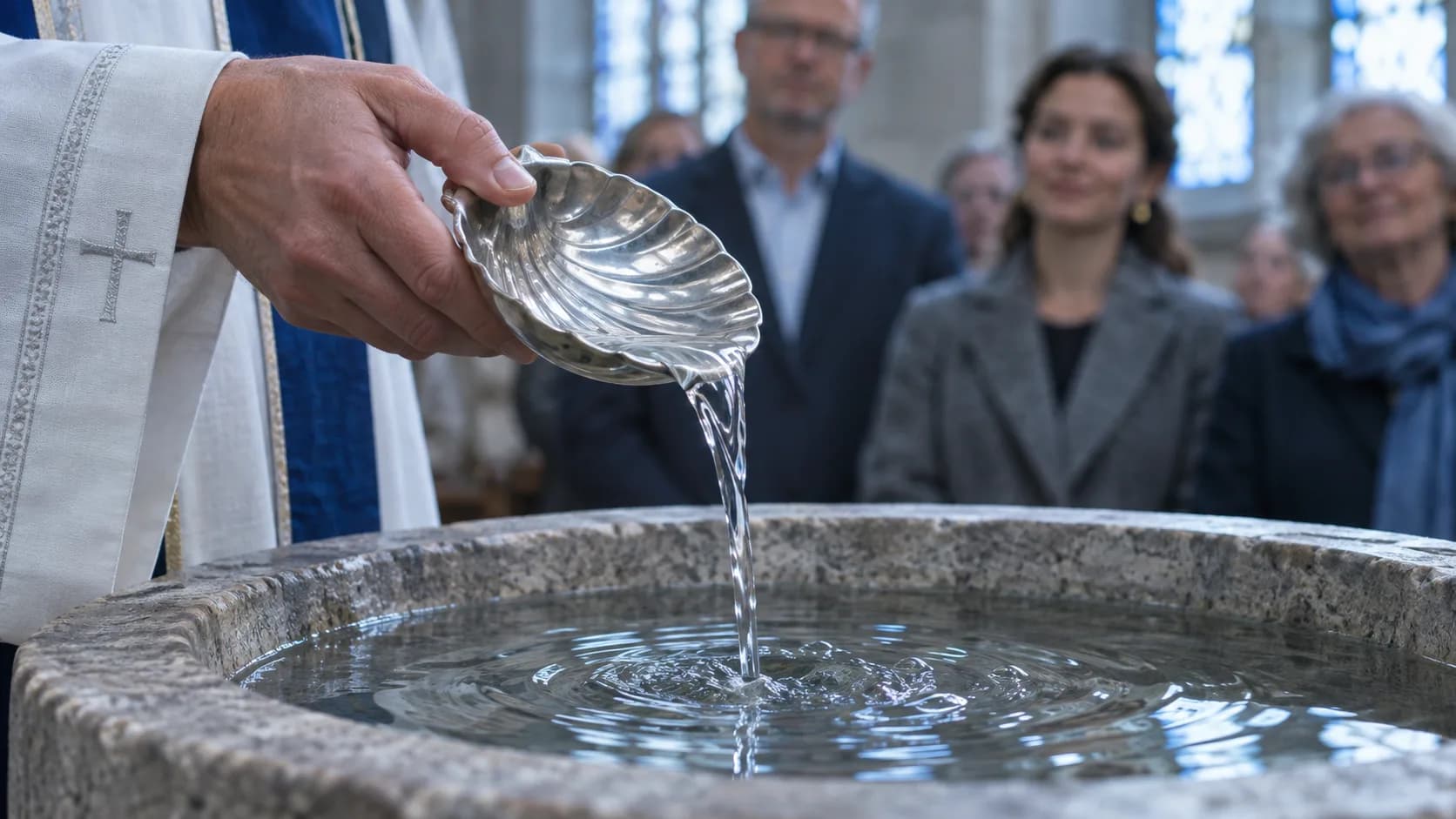
Who Is the Holy Spirit Across Ten Christian Traditions
Christians confess the Holy Spirit as God, present and active in the life of the Church and the world. Yet people often ask what that means in everyday life. Is the Spirit encountered in a sacrament, a quiet conviction, a gift of healing, a community’s wisdom, or a sudden moment of courage? This guide offers a starting point for understanding those emphases without assuming that every person or congregation experiences faith in the same way.
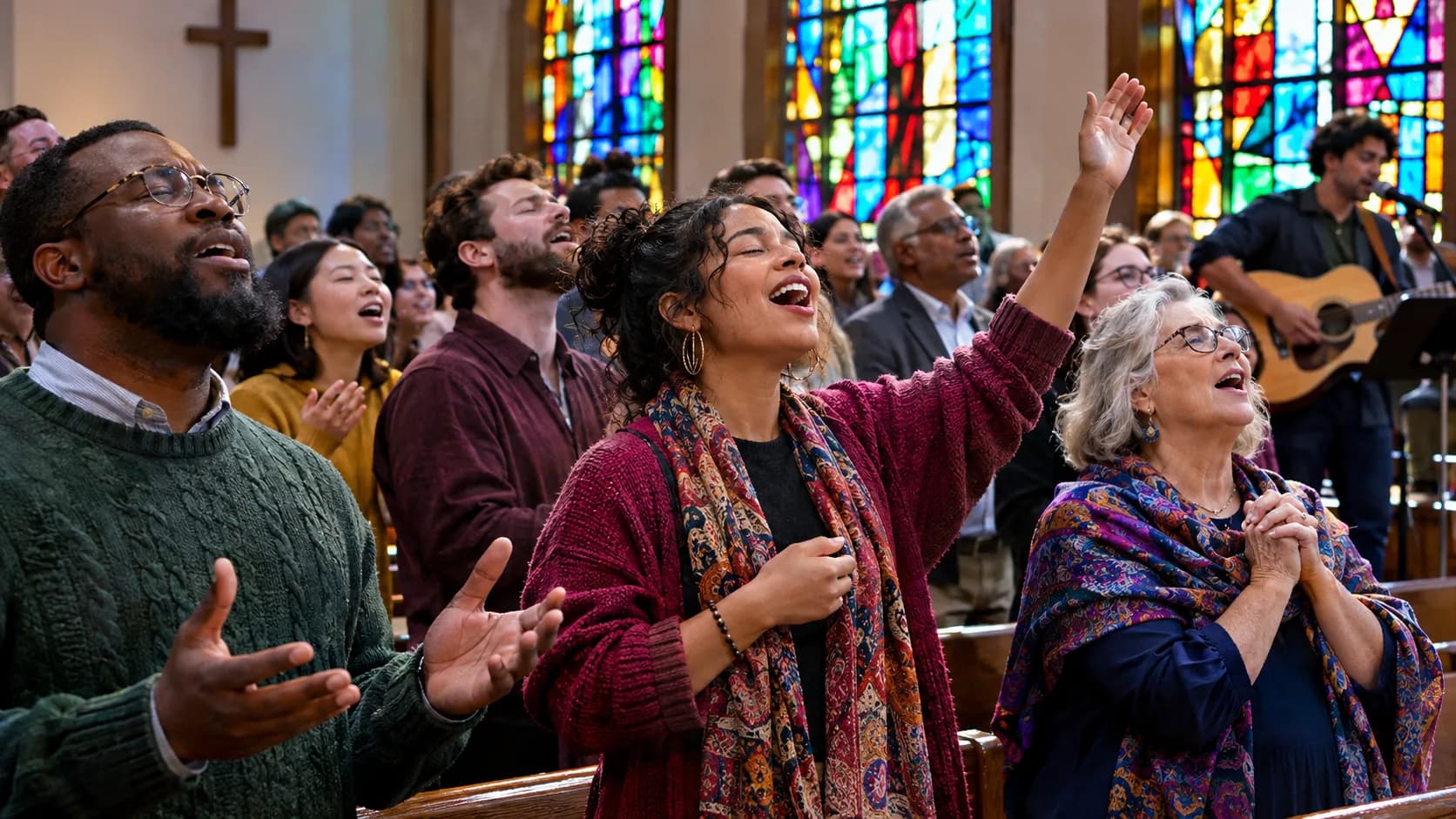
Christian traditions confess the Holy Spirit and emphasize different aspects of the Spirit’s work in worship and daily life.
Your quick checklist
- Ask how the church understands and practices spiritual gifts.
- Ask how the community discerns spiritual claims.
How can someone discern the Spirit’s work?
Christians often look for more than intensity or unusual experiences. They ask whether a conviction is consistent with the character of Jesus, whether it bears the fruit of love, patience, courage, and self-control, and whether it serves rather than manipulates others. Traditions use different tests and authorities, but many encourage prayer, scripture, wise counsel, and communal discernment. A powerful feeling alone is not enough to settle a theological claim.
A living faith
Across these traditions, Christians understand the Holy Spirit as God’s presence, not a force people control. Some highlight sacramental worship, some the preached word, some spiritual gifts, and some disciplined growth in holiness. These emphases can coexist in complex ways. Learning the vocabulary of a tradition can help you understand its worship and ask better questions, while leaving room for the mystery that Christians confess.
By denomination
These notes cover the ten traditions in our denomination guide. They combine background with practical questions to ask. A source from one church body does not speak for every church in its wider tradition; confirm local arrangements with your congregation.
Orthodox Christianity
Orthodox Christians speak of the Holy Spirit as fully divine and active in the Church’s worship and sacramental life. The Spirit is encountered through worship, prayer, and a lifelong movement toward holiness.
Catholic Christianity
Catholic teaching describes the Holy Spirit as the third person of the Trinity, who gives life to the Church and forms believers in holiness. Catholic teaching also names gifts of the Spirit for the good of the whole community.
Baptist Churches
Baptist churches generally teach that the Holy Spirit brings people to faith, lives in believers, and empowers them for Christian witness and service. Baptist congregations differ, so ask how this church evaluates claims of spiritual gifts.
Pentecostal Churches
Pentecostal churches place particular emphasis on the present work of the Holy Spirit and the spiritual gifts described in the New Testament. Pentecostal services may include gifts, but practice and interpretation vary by denomination.
Lutheran Churches
Lutherans teach that the Holy Spirit creates and sustains faith through the gospel, especially as it is proclaimed and joined to Baptism and the Lord’s Supper. The Spirit is understood to work through God’s promise in scripture and the sacraments.
Methodist and Wesleyan Churches
Methodist and Wesleyan traditions describe the Spirit as the one who awakens faith, assures believers of God’s love, and enables growth in holiness. Many communities describe the Spirit’s presence through love expressed in daily life.
Presbyterian and Reformed Churches
Presbyterian and Reformed churches teach that the Holy Spirit gives new life, illumines scripture, strengthens faith, and equips the Church for its mission. Views on charismatic gifts vary, and congregations may explain their discernment practices.
Anglican and Episcopal Churches
Anglican and Episcopal communities understand the Holy Spirit as active in scripture, sacramental worship, prayer, and the shared life of the Church. Both liturgical and charismatic expressions exist within Anglican life.
Seventh-day Adventist Churches
Seventh-day Adventists teach that the Holy Spirit inspired scripture, draws people to Christ, transforms character, and gives gifts for the Church’s mission. Adventists emphasize that spiritual gifts should serve and strengthen the Church.
Nondenominational and Independent Churches
Nondenominational churches vary widely in their teaching about the Holy Spirit. An independent congregation’s statement of faith is the best place to begin.
Prepared by NearMeChurch with AI assistance. Linked church sources explain specific practices; local arrangements can change. Suggest a correction.