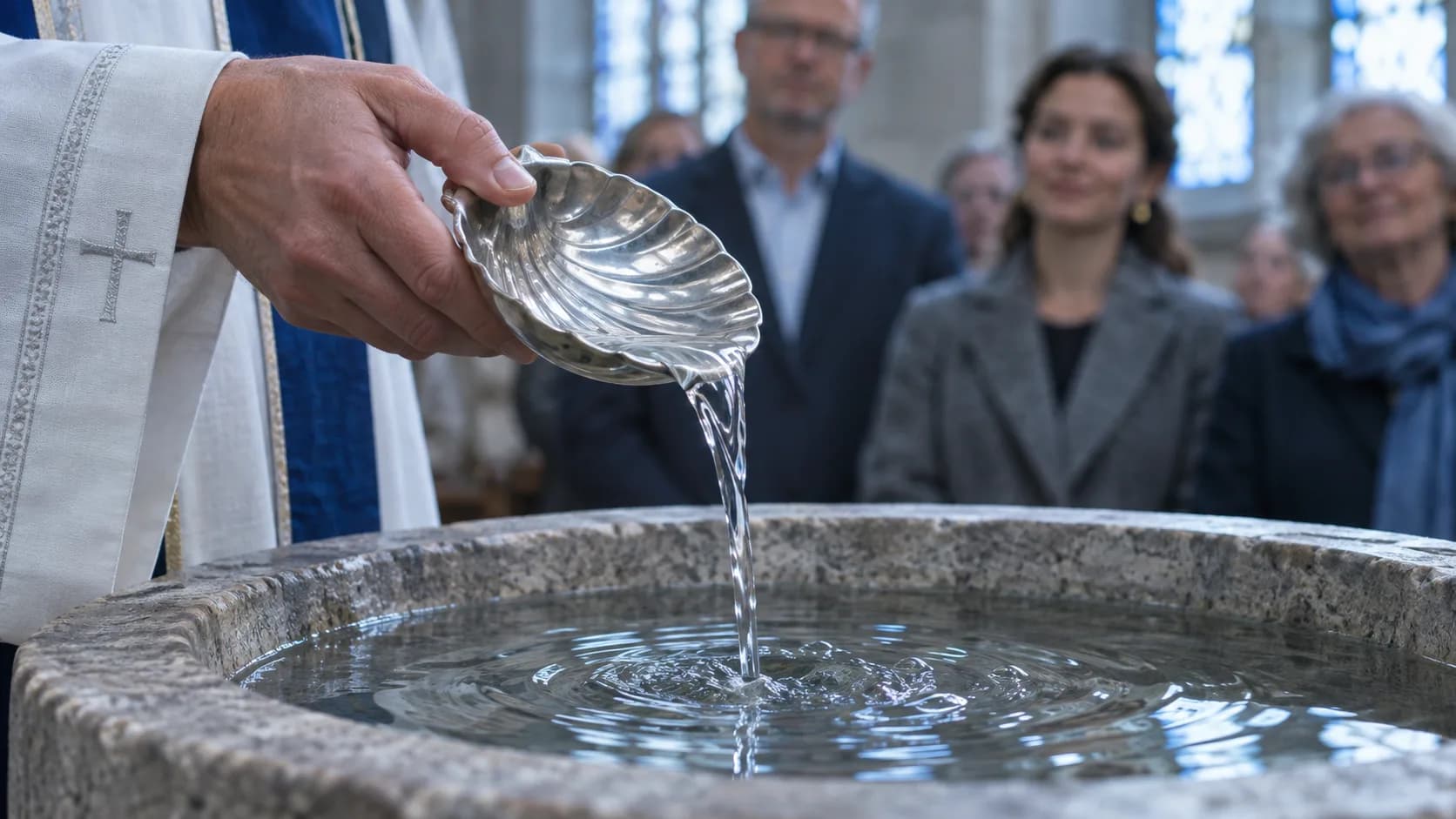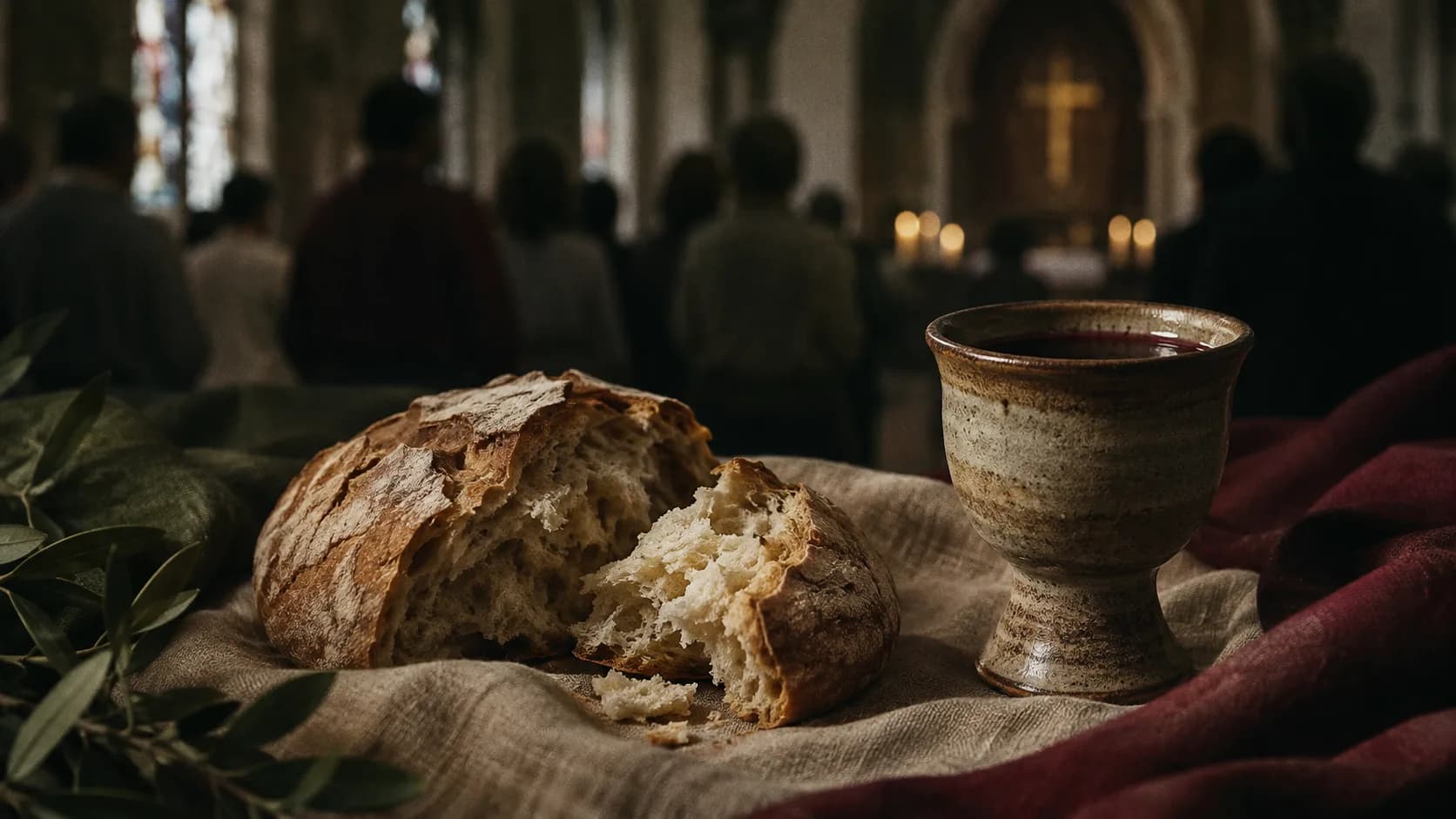
How Christians Pray Across Ten Traditions
Prayer can be a whispered sentence, a sung response, a familiar written prayer, or a silence that lasts longer than expected. Christians across traditions pray to the same God, yet they have inherited different rhythms and language for doing so. Those differences do not mean that one group prays and another does not. They show how communities learn to bring ordinary life—gratitude, fear, confession, need, and hope—before God.
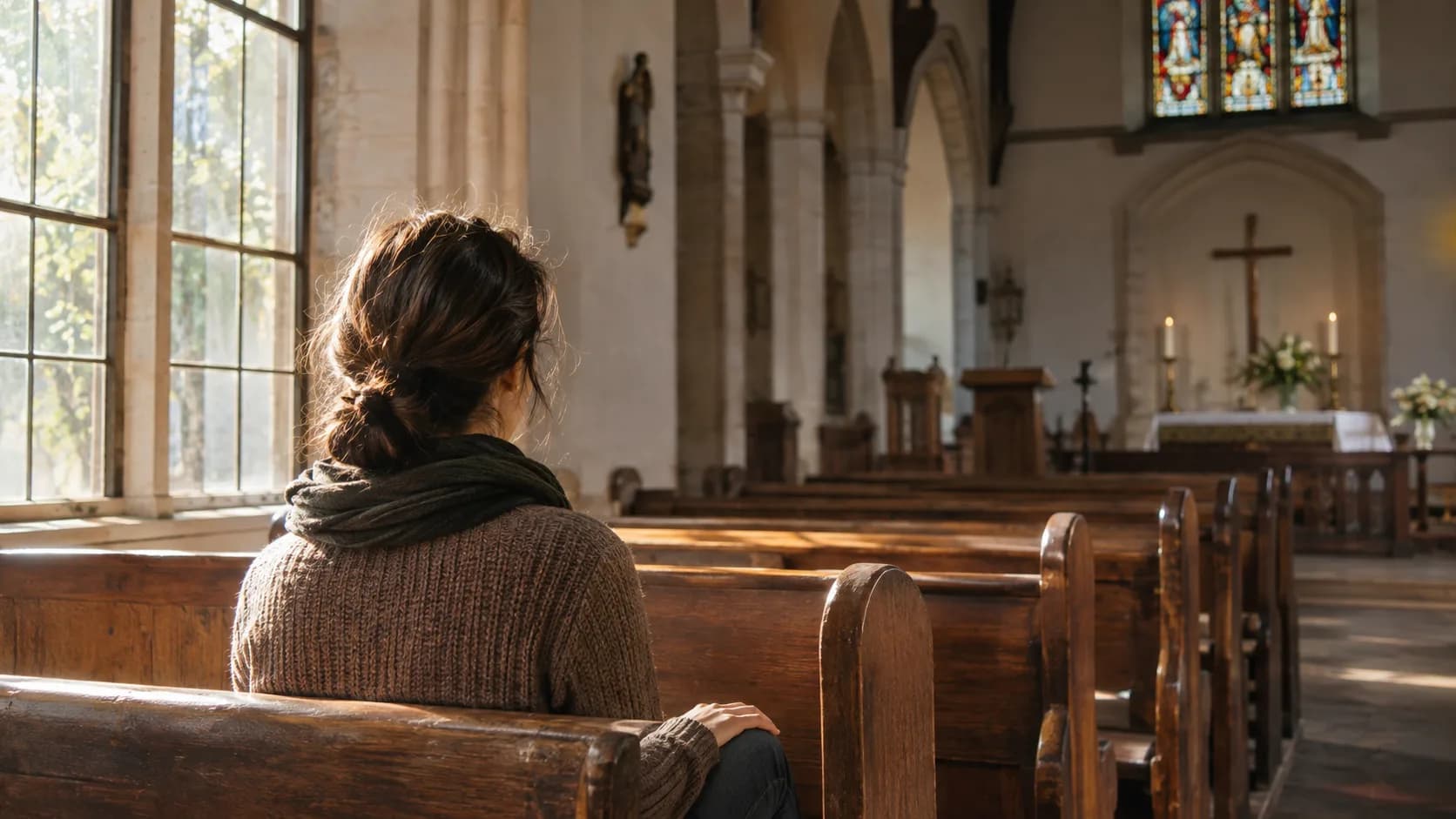
Christian prayer can be personal or communal, spoken or silent. Many traditions make room for several of these forms.
Your quick checklist
- Ask which prayers the congregation says together.
- Ask whether there is time for silence or spontaneous prayer.
A practice that can begin simply
If prayer feels unfamiliar, begin with what is true. Name one thing you are thankful for, one concern you are carrying, and one person you hope will receive care. You do not need polished language. A written prayer, a Psalm, a few quiet minutes, or a conversation with a trusted pastor can offer a starting point. If prayer feels difficult, that does not mean you have failed at faith.
Questions worth asking
When exploring a church, you might ask: Are prayers mostly written, spontaneous, sung, or silent? Is there a regular time to pray with others? Are visitors invited to participate, or may they simply listen? The answers can help you understand a community’s practice without ranking one style above another. Across these ten traditions, Christians pray in different ways, but each is trying to bring real life before God. The best first step is often a simple question asked with openness and without pressure.
By denomination
These notes cover the ten traditions in our denomination guide. They combine background with practical questions to ask. A source from one church body does not speak for every church in its wider tradition; confirm local arrangements with your congregation.
Orthodox Christianity
Orthodox prayer is shaped by the church’s liturgy and the rhythm of its services. The familiar forms are learned over time and may be used at home as well as in church.
Catholic Christianity
Catholic life includes personal prayer and the public prayer of the Church. For many Catholics, prayer with Mary and the saints asks for their intercession, while worship is directed to God.
Baptist Churches
Baptist congregations often emphasize prayer as a direct, personal conversation with God. Local church life strongly shapes the sound and structure of Baptist prayer.
Pentecostal Churches
Pentecostal prayer often expects the Holy Spirit to be active in the present. Worshipers may pray with strong emotion, but Pentecostal teaching also values discernment and care.
Lutheran Churches
Lutheran prayer is commonly formed by scripture, hymns, and the church’s liturgy, alongside private prayer in everyday language. The service often gives prayer a shared shape through the church calendar and familiar texts.
Methodist and Wesleyan Churches
Methodist and Wesleyan traditions value both personal devotion and prayer in community. Prayer is commonly linked to the Methodist call to grow in love and serve others.
Presbyterian and Reformed Churches
Presbyterian and Reformed prayer is usually grounded in scripture and the gathered worship of the congregation. Orderly, scripture-shaped prayer is often part of a congregation’s regular worship.
Anglican and Episcopal Churches
Anglican and Episcopal communities often combine written prayers from the Book of Common Prayer with spontaneous prayer and personal devotion. Common prayer lets people share words even when their personal feelings differ.
Seventh-day Adventist Churches
Seventh-day Adventist prayer is often woven into Bible study, Sabbath worship, family devotion, and prayer meetings. Prayer meetings and Bible study can give members regular ways to support one another.
Nondenominational and Independent Churches
Nondenominational churches do not share one prayer style. Ask the local pastor how prayer is practiced; the independent label does not predict the answer.
Prepared by NearMeChurch with AI assistance. Linked church sources explain specific practices; local arrangements can change. Suggest a correction.