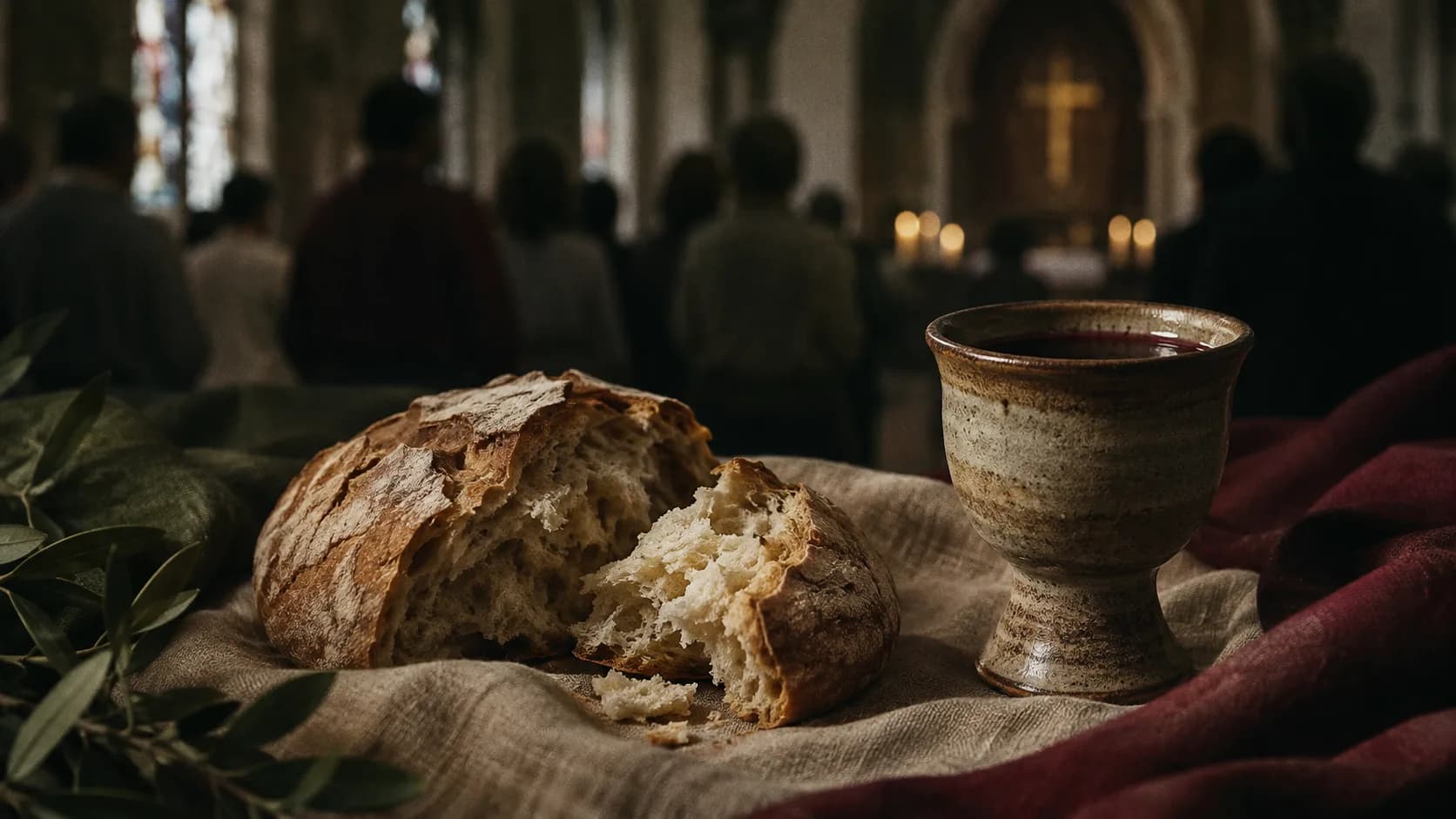
What Baptism Means Across Ten Christian Traditions
Baptism is one of Christianity’s oldest shared practices, yet Christians do not all explain it in the same way. Churches differ about who should be baptized, when it should happen, how water is used, and what the act means. For some, baptism is ordinarily given to infants as a sign of God’s covenant and the church’s welcome. Others baptize people when they can personally profess faith. Many regard it as both a gift and a public response. The differences are theological, but the practice is also deeply personal: families gather, adults make a commitment, and communities promise to walk with the baptized.
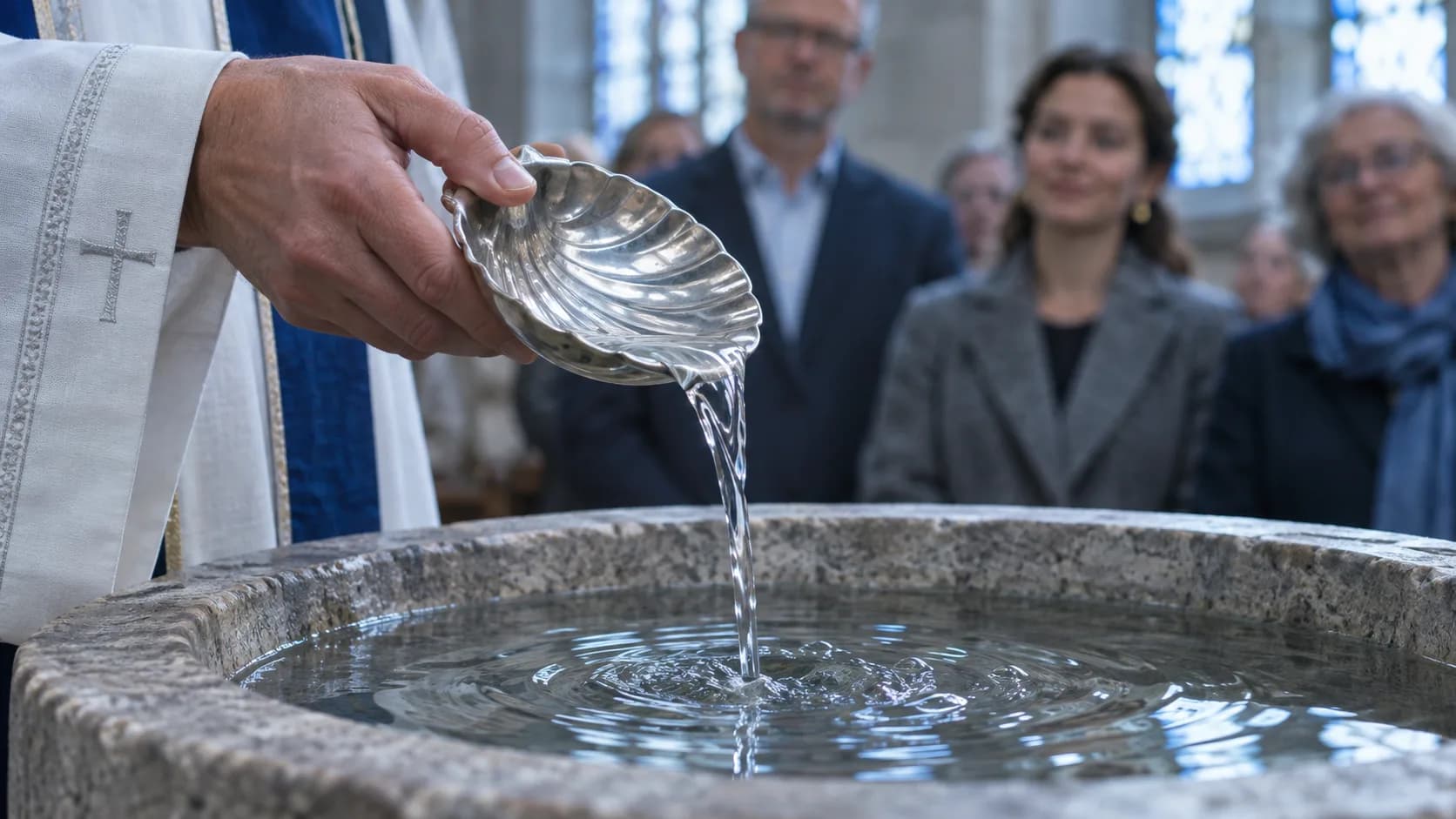
Christian traditions differ on who should be baptized, how water is used, and what baptism accomplishes.
Your quick checklist
- Ask whom the church baptizes and what preparation is expected.
- Ask how the congregation supports people after baptism.
A ceremony and a continuing promise
Baptism can mark the beginning of a person’s public life in a church, but it also points beyond a single day. Traditions that baptize infants stress the community’s role in teaching and nurturing faith. Traditions that baptize professing believers often emphasize the person’s testimony and commitment. Both raise a practical question: what support will help someone live out the promises made at baptism?
Questions to ask a church
If you are considering baptism, ask who the church baptizes, what preparation is expected, what the congregation believes the act means, and whether a prior baptism is recognized. If you are exploring rather than deciding, it is fine to ask questions first. A careful explanation should describe both the church’s conviction and its respect for people who have come from a different tradition.
By denomination
These notes cover the ten traditions in our denomination guide. They combine background with practical questions to ask. A source from one church body does not speak for every church in its wider tradition; confirm local arrangements with your congregation.
Orthodox Christianity
Orthodox Christians baptize infants and adults, usually by immersion, and understand baptism as participation in Christ’s death and resurrection and entry into the Church. It is ordinarily part of a person’s first entry into the sacramental life of the Church.
Catholic Christianity
Catholic teaching describes baptism as the sacrament of new birth and incorporation into Christ and the Church. Parents and godparents make promises, and the congregation is asked to help nurture the child.
Baptist Churches
Baptists generally baptize people who personally profess faith in Jesus, so baptism often follows a conscious decision rather than occurring in infancy. The person’s own confession of faith is central to the timing and meaning of the ceremony.
Pentecostal Churches
Many Pentecostal churches practice believer’s baptism, commonly by immersion, as a public response to faith and a step of obedience. Candidates are commonly baptized after making a personal profession of faith in Christ.
Lutheran Churches
Lutheran churches baptize infants as well as adults and teach that baptism is a means through which God gives grace and creates faith. Infant baptism is practiced, with later teaching helping the baptized understand the promise.
Methodist and Wesleyan Churches
Methodist and Wesleyan churches generally baptize infants and adults. Parents, sponsors, and the congregation take part in welcoming and supporting the baptized.
Presbyterian and Reformed Churches
Presbyterian and Reformed churches commonly baptize infants of believing parents as well as adult converts. The ceremony points to God’s promise and to a life of faith within the covenant community.
Anglican and Episcopal Churches
Anglican and Episcopal churches generally baptize infants and adults, using water within a liturgy that includes vows and the welcome of the congregation. Baptismal vows and the congregation’s welcome make the communal meaning visible.
Seventh-day Adventist Churches
Seventh-day Adventists usually baptize people who can make a personal profession of faith, generally by immersion. Instruction and a personal profession typically prepare a candidate for baptism.
Nondenominational and Independent Churches
Many nondenominational churches practice believer’s baptism by immersion, while others follow different models. Ask the church directly about age, mode, preparation, and how it recognizes earlier baptisms.
Prepared by NearMeChurch with AI assistance. Linked church sources explain specific practices; local arrangements can change. Suggest a correction.