What Should I Wear to Church?
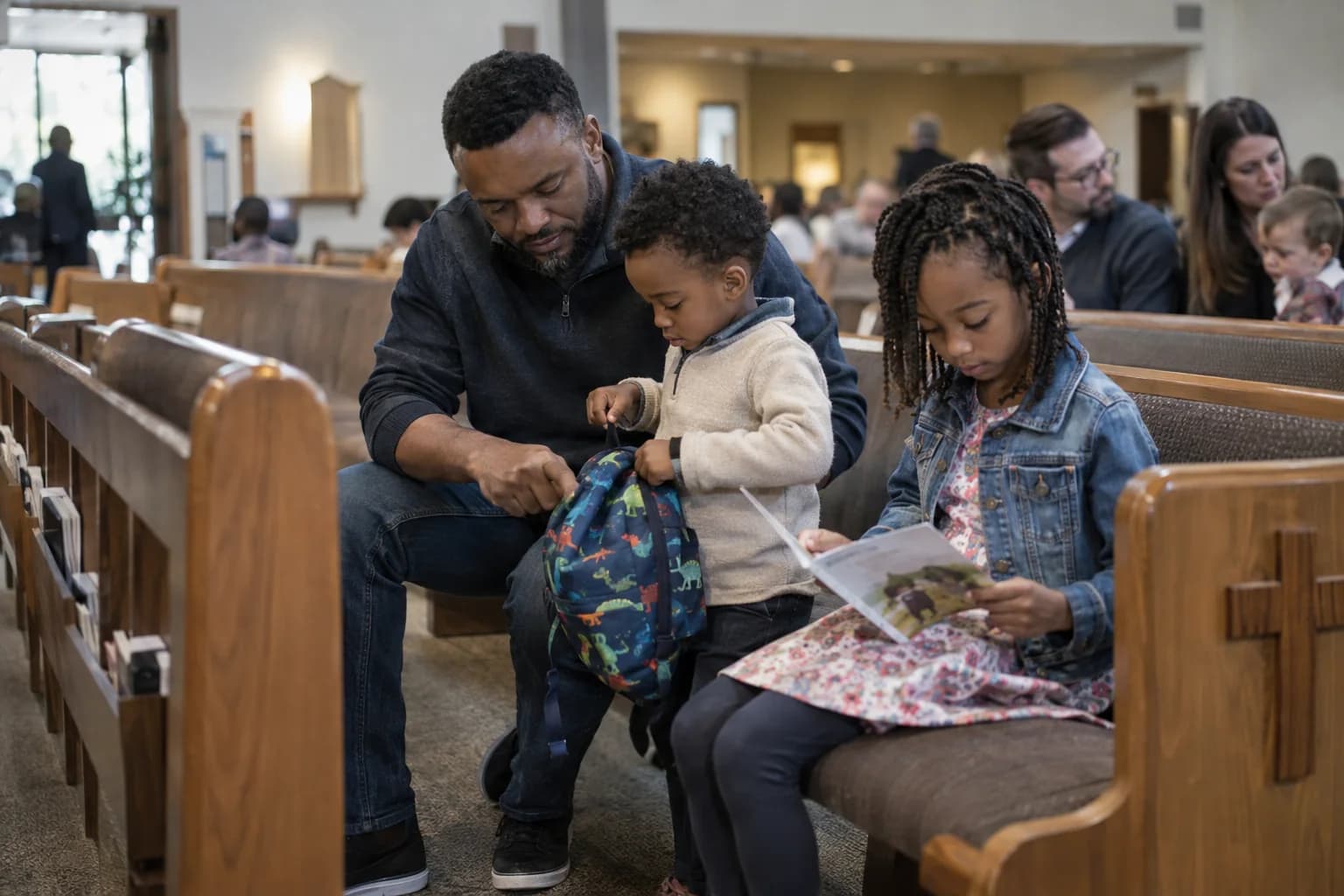
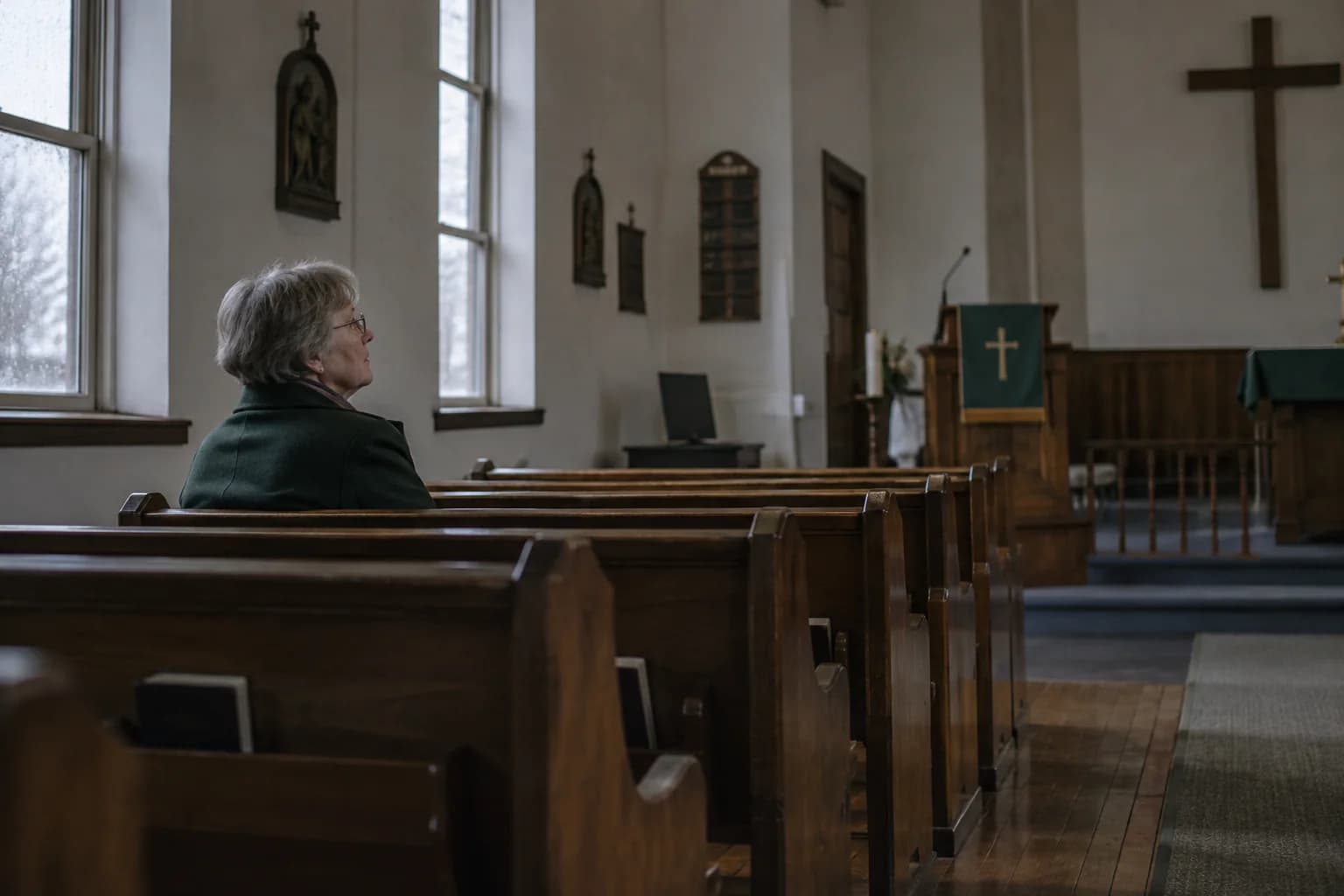
There is no single dress code for every church. The most useful starting point is the congregation you plan to visit, the kind of service, and what helps you feel comfortable. You do not need to build a new wardrobe before asking about attending.
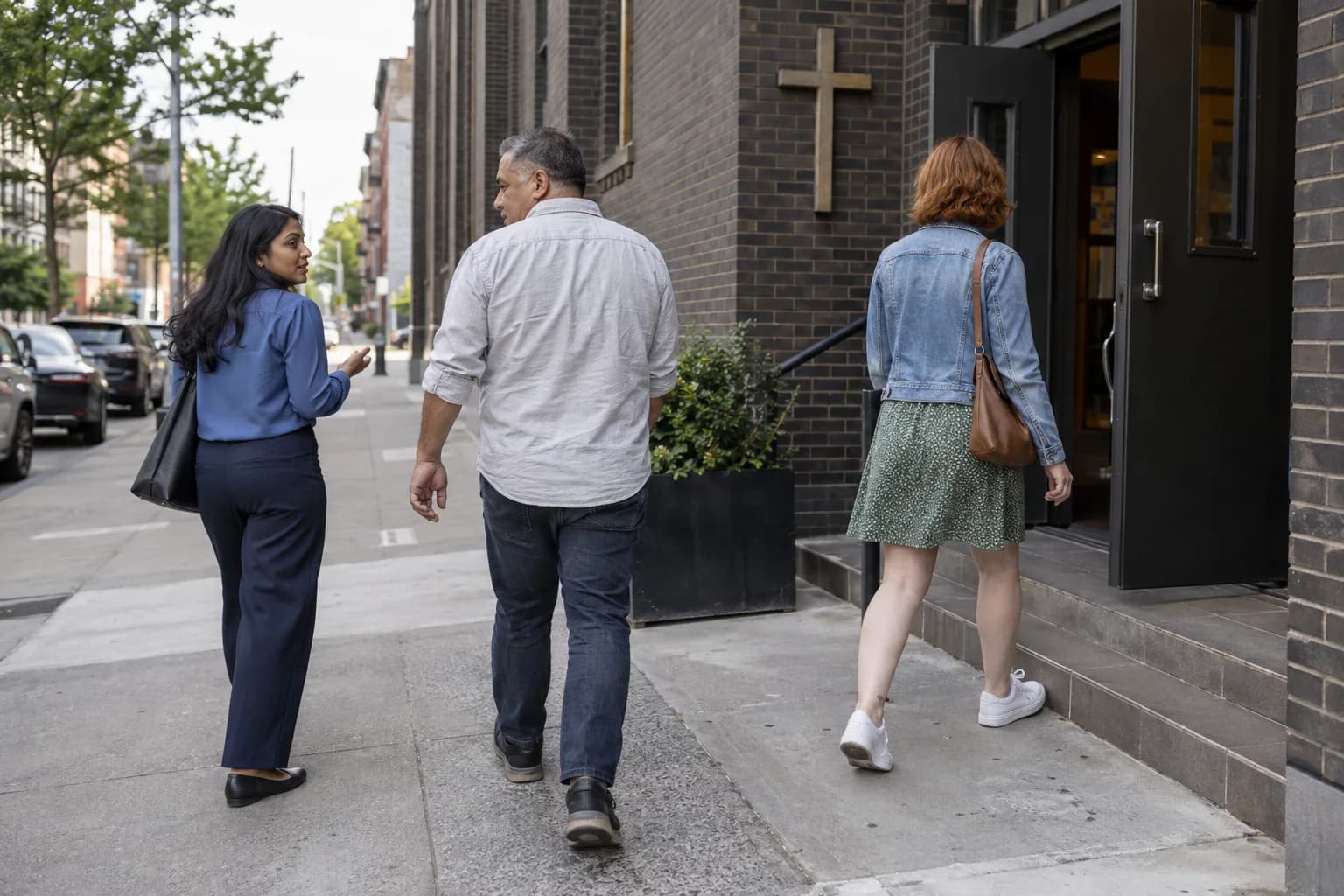
Start with comfortable clothes you already own. Check the church’s visitor information for specific expectations, especially for special services or unfamiliar traditions.
Your quick checklist
- Look for “Plan your visit” or visitor information on the church’s website.
- Choose clothes you can comfortably sit, stand, and move in.
- Consider the weather, walking distance, and temperature indoors.
- Ask about any specific clothing or head-covering expectations if you are unsure.
A simple outfit is a useful starting point
If the church gives no particular guidance, consider an ordinary outfit you would wear to a relaxed community gathering: trousers or a skirt with a shirt, sweater, or comfortable top, or a simple dress. These are options, not a required uniform.
Choose clothing and shoes that work for your body and the trip there. Something that lets you sit comfortably is more useful than an outfit you spend the whole service adjusting. There is no need to purchase formal clothing just to find out whether you would like to attend.
Check the congregation, not just the label
A denomination’s name alone will not tell you exactly what people wear at a particular service. For example, the United Methodist Church’s first-visit guidance encourages visitors not to worry excessively about dress. Local congregations can still have different habits.
Look for recent photographs of an ordinary service rather than a wedding or staged promotional image. Treat photographs as a clue, not a rule about what you must own or look like. If the website gives explicit visitor guidance, use that instead of guessing.
Source: United Methodist Church: tips for your first Sunday.
How to ask without making it awkward
A short question is enough: “I’m visiting this Sunday. Is casual clothing okay, and are there any customs I should know about?” You can ask a church office, a greeter, or the person who invited you.
If your question concerns a head covering, footwear, or clothing connected with your culture or religion, ask about that directly. Avoid assuming that one church’s practice applies to another, even if their services appear similar.
Think about comfort and the building
A light extra layer can help if you do not know how warm the building will be. Choose footwear suited to the walk from parking or public transport. If the service includes standing or kneeling, clothing that allows easy movement may be helpful.
Your access needs come first. Wear the shoes, supports, or other items you need. If a garment or mobility aid affects seating or movement, ask for a suitable space rather than trying to manage discomfort silently.
Keep children’s clothing practical
For children, prioritize familiar clothes they can move in and shoes suited to any confirmed play activities. Consider layers and a spare outfit if you would normally bring one on an outing.
An elaborate outfit can add pressure to a morning already full of unfamiliar things. If children will attend a separate group, check whether it includes outdoor play, crafts, or another activity that should influence what they wear.
Ordinary Sundays and special occasions
An invitation to a wedding, baptism, funeral, or other special gathering may include expectations beyond the church’s usual Sunday habits. Follow the host’s instructions and ask if anything is unclear.
If you arrive and other people are dressed differently, that does not by itself mean you have made a mistake. You came to visit a church, not to match every outfit in the room. Use the experience to decide what will make a future visit comfortable for you.
By denomination
These notes cover the ten traditions in our denomination guide. They combine background with practical questions to ask. A source from one church body does not speak for every church in its wider tradition; confirm local arrangements with your congregation.
Orthodox Christianity
Ask the parish about local expectations for head coverings and other clothing customs rather than assuming one rule covers every Orthodox community. Choose shoes and clothing comfortable for any standing or movement, and ask about seating if you need it.
Catholic Christianity
Check the parish’s visitor guidance, particularly if attending a special liturgy, pilgrimage site, or community with its own customs. Do not infer a rule for lay visitors from what the priest wears. A comfortable outfit you already own is a practical starting point.
Baptist Churches
Look at the specific congregation’s visitor information; Baptist churches can have different local expectations. Ask whether everyday casual clothes are suitable for that service. Wedding photographs or a pastor’s formal clothing are not a reliable dress code for all attendees.
Pentecostal Churches
Ask directly if the congregation has stated clothing expectations. Pentecostal communities are diverse, and a dress practice associated with one body should not be applied to them all. Choose an outfit that lets you move comfortably without feeling obliged to copy expressive worship.
Lutheran Churches
A liturgical service or a pastor in robes does not tell you what visitors must wear. Check the congregation’s own guidance and choose comfortable clothes. If you expect to stand, sit, or kneel during worship, consider ease of movement.
Methodist and Wesleyan Churches
United Methodist first-visit guidance encourages visitors not to worry excessively about dress. Use that as reassurance, not a rule for every Methodist or Wesleyan community. Check the local service’s visitor information if you are unsure about casual or more formal clothing.
Presbyterian and Reformed Churches
Ask the congregation about ordinary Sunday clothing, especially if its website mainly shows weddings or formal events. Presbyterian and Reformed labels alone do not establish a visitor dress code. Prioritize comfortable clothing and any access needs you have.
Anglican and Episcopal Churches
Choir robes and clergy vestments belong to those roles; they are not an outfit to copy as a visitor. Ask the parish about local customs and wear something comfortable for the service. A cathedral event may have separate visitor instructions worth checking.
Seventh-day Adventist Churches
The denomination’s Sabbath guidance describes church clothing in relation to the local culture. Check the congregation’s own expectations rather than assuming every Adventist community dresses alike. Plan your outfit for Saturday worship and any additional activity you have confirmed.
General Conference of Seventh-day Adventists: Sabbath observance
Nondenominational and Independent Churches
Use the church’s own visitor guidance instead of assuming “nondenominational” means casual. Ask whether your usual everyday clothes are suitable. If the church has multiple campuses or service formats, check the one you will actually attend.
Prepared by NearMeChurch with AI assistance. Linked church sources explain specific practices; local arrangements can change. Suggest a correction.