Can I Go to Church If I’m Not Religious?
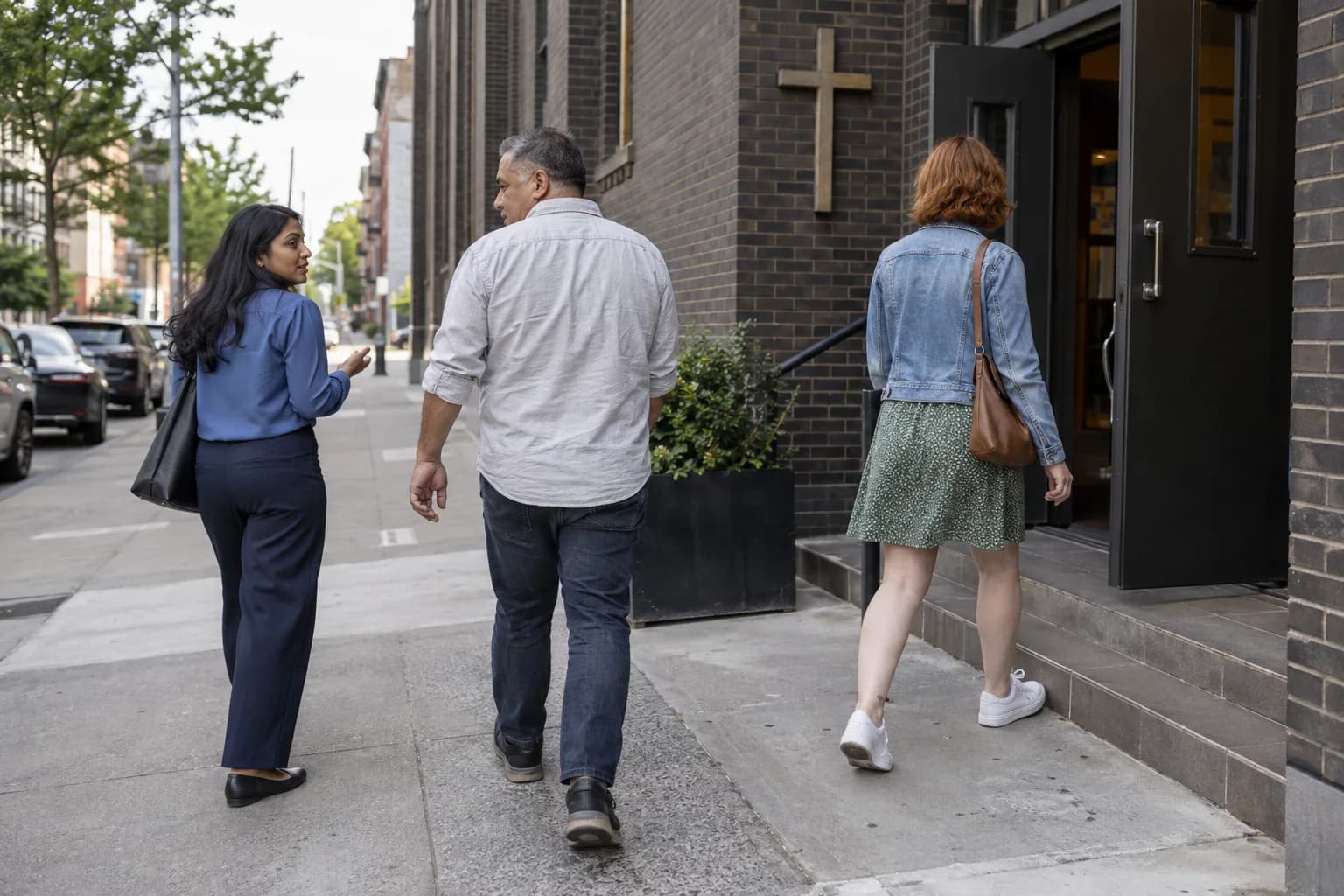
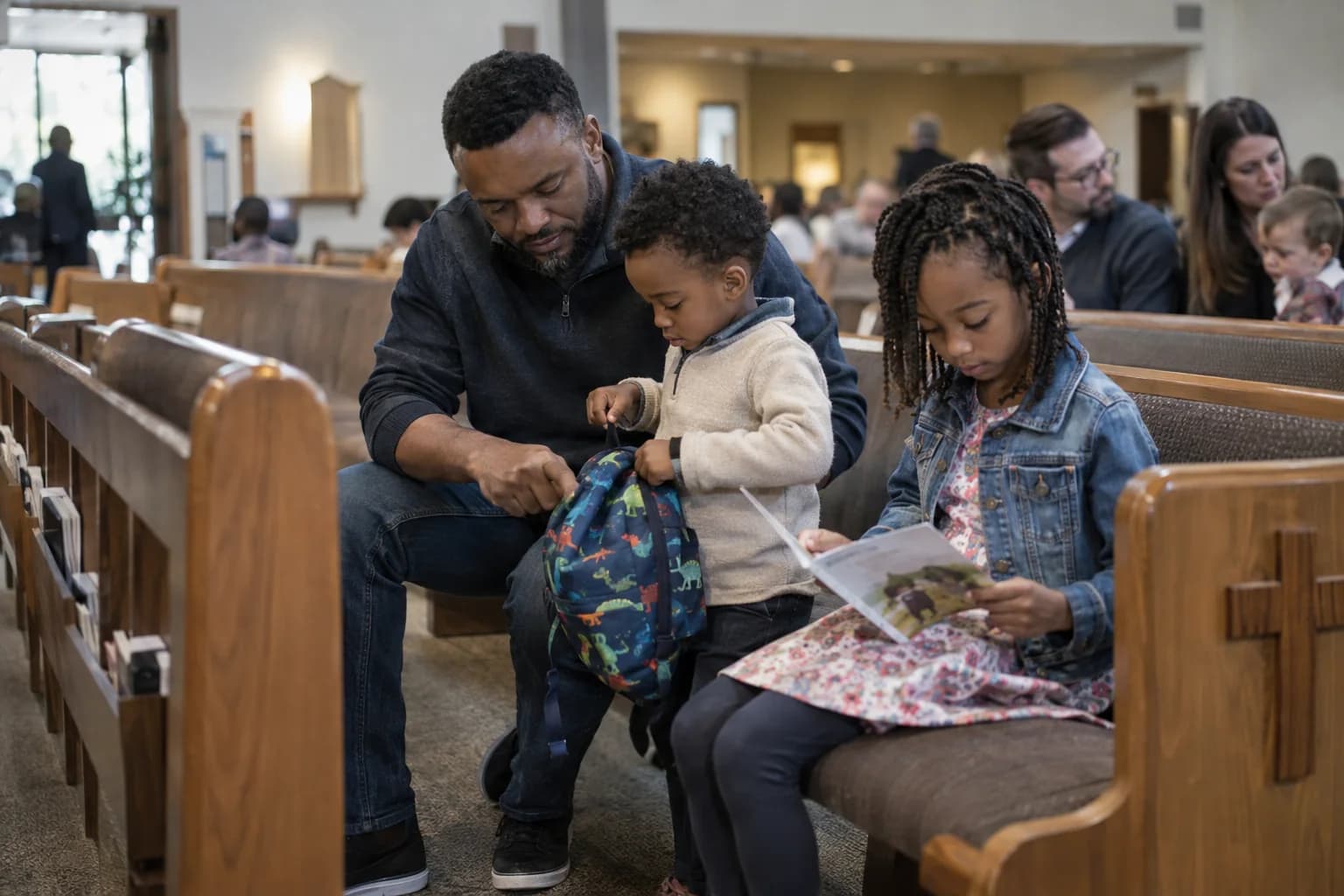
You might be curious about Christianity, supporting a friend, returning after years away, or simply interested in what happens at a service. You do not need to pretend to believe something you do not believe in order to ask about visiting.
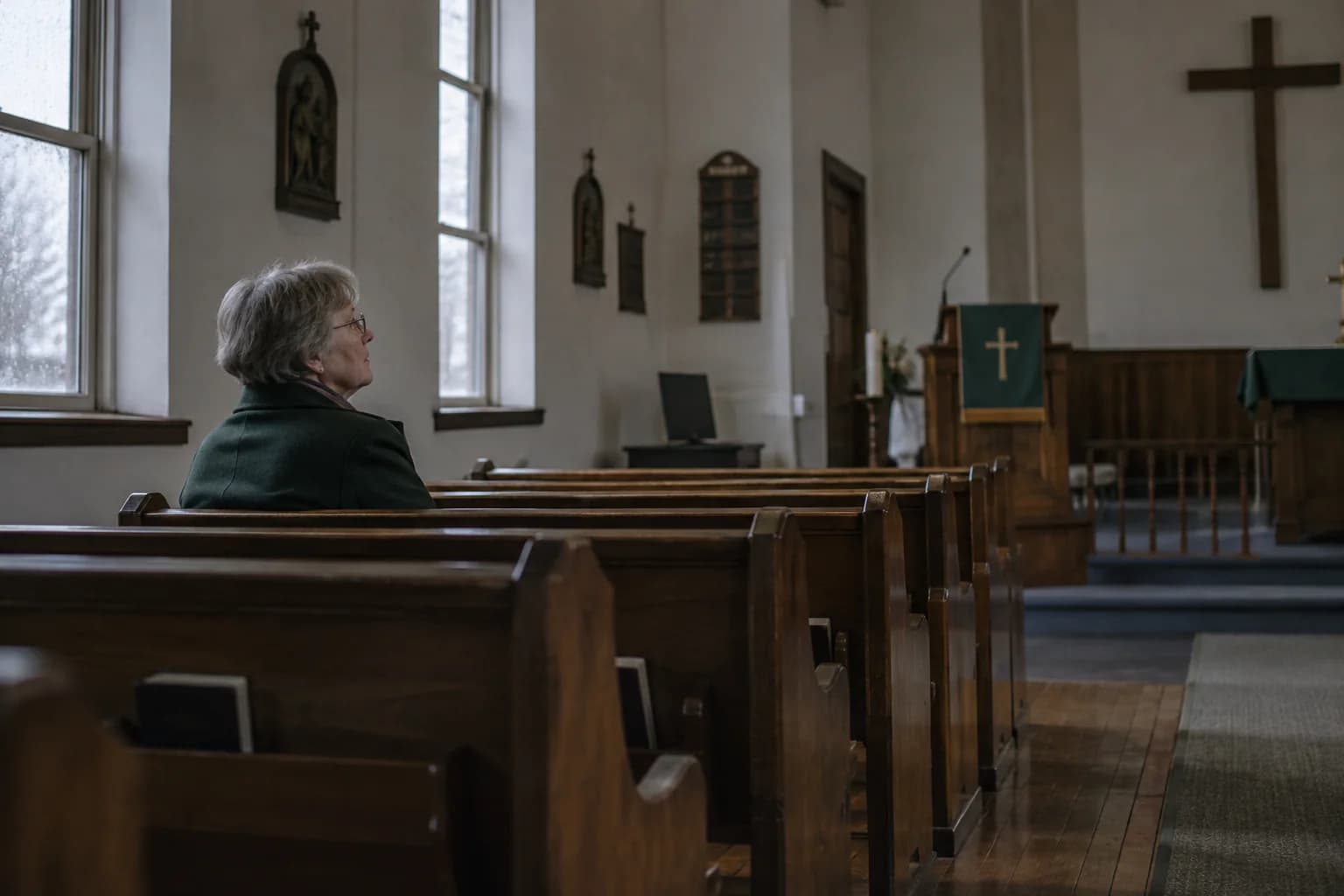
Many churches welcome visitors who do not share their faith. Check that the service is open to visitors, be honest about your questions, and ask before joining rituals with specific participation rules.
Your quick checklist
- Choose a public service and check any visitor instructions.
- Decide whether you would prefer to go alone or with someone you know.
- Listen or observe when you do not wish to say a prayer or response.
- Ask about Communion rather than assuming that attendance makes you eligible.
Attending and believing are different questions
An invitation to attend does not necessarily mean an invitation to take part in every religious practice. For example, the U.S. Catholic bishops explicitly welcome people who do not share Christian faith to the celebration of Mass, while distinguishing attendance from receiving Communion.
Other churches have their own practices. A brief message to the congregation can help: “I’m not religious, but I’d like to visit a service and learn. Is there anything I should know before coming?”
Source: USCCB: guidelines for receiving Communion at a Catholic Mass.
You can listen without saying words you do not mean
A service may include shared prayers, statements of belief, or songs addressed to God. You can listen quietly rather than reciting them. Being respectful does not require presenting yourself as a believer.
Follow practical directions about seating, movement, and the use of the space. If an action is unfamiliar, pausing and asking is usually more useful than trying to copy it without understanding what it means.
Make room for your questions
You do not need a polished explanation for why you came. “I’m curious” or “I’m here with a friend” is enough to start a conversation. If you want a longer discussion, ask when someone would have time rather than expecting a full answer as people leave the service.
Separate questions about the service from questions about belief. “What was that reading?” may have a short answer. “Why do Christians believe this?” may lead to a longer conversation, and different Christian traditions may explain it differently.
Decide what you want to share
You can decline a contact form, an invitation to a group, or an offer to pray with you. Clear, ordinary wording works: “Thank you, I’d prefer to just observe today,” or “I’m not ready to share my contact details.”
If you go with a friend, tell them beforehand whether you want introductions or a quieter visit. That gives them a chance to support you without guessing. You can also arrange to meet outside afterward if you want time to reflect alone.
Expect a religious service, even if you are there to explore
A church service is an expression of the congregation’s faith. You may hear beliefs you do not share or invitations to consider Christianity. Knowing that beforehand can help you decide whether this is the setting you want to explore.
You are free to disagree, ask questions at an appropriate time, or leave. If the service feels uncomfortable, you can reflect on whether the discomfort came from unfamiliarity, a particular teaching, or the way you were treated. Those are different things.
One visit does not require a commitment
Afterward, you can return, read more, talk with someone, visit another church, or decide not to continue. You do not owe anyone an immediate decision about faith.
If you do want to explore further, ask whether there is a discussion group intended for people with questions. Find out its format and expectations so you can decide whether it suits you.
By denomination
These notes cover the ten traditions in our denomination guide. They combine background with practical questions to ask. A source from one church body does not speak for every church in its wider tradition; confirm local arrangements with your congregation.
Orthodox Christianity
The Orthodox Church in America describes non-Orthodox and non-Christian visitors observing the liturgy, while Communion remains reserved for Orthodox members. You can ask the priest where to follow the service and which actions are appropriate for an observer.
Catholic Christianity
Catholic guidance explicitly welcomes non-Christians to attend Mass while reserving Communion according to Catholic discipline. You can listen, remain seated when needed, and ask questions afterward without presenting yourself as Catholic or receiving Communion.
USCCB: guidelines for receiving Communion at a Catholic Mass
Baptist Churches
Ask the local church whether the service is open to visitors and what an invitation or response time involves. Southern Baptist churches determine their own Lord’s Supper practices. Attendance does not itself establish eligibility, and Baptist groups beyond the SBC have their own guidance.
Pentecostal Churches
You may encounter spoken praise, raised hands, or an invitation to prayer. Those expressions are described in Assemblies of God guidance, but do not define every Pentecostal service. You can observe and politely decline personal prayer or an invitation to come forward.
Lutheran Churches
Ask the pastor how someone who is exploring faith can attend and learn. If the congregation uses shared creeds or prayers, you can listen without reciting beliefs you do not hold. Confirm Communion eligibility with this church instead of assuming all Lutheran bodies have identical rules.
Methodist and Wesleyan Churches
Tell the church that you want to visit and learn, and ask whether it offers a discussion group for people with questions. Check its Communion invitation directly. A practice you encounter at a United Methodist church should not be assumed to apply to every Wesleyan body.
Presbyterian and Reformed Churches
You can ask to observe the service and discuss a reading or sermon afterward. Shared confessions or statements of faith may be part of the service; listening is an option. Ask the minister about Communion rather than treating all Presbyterian and Reformed churches as interchangeable.
Anglican and Episcopal Churches
Common prayer can involve spoken responses and creeds. You can follow the service while remaining silent for words you do not wish to say. Ask the clergy about Communion and other participation questions; Anglican bodies and local pastoral practice can differ.
Seventh-day Adventist Churches
Check the Saturday schedule and ask whether you would prefer to begin with worship or a Sabbath School class. The latter is a Bible-study setting and may involve conversation. Let the leader know you are visiting and would like to listen or ask introductory questions.
Seventh-day Adventist Church: Sabbath worship and Sabbath School
Nondenominational and Independent Churches
Read the congregation’s own beliefs and visitor information, since there is no single independent-church policy. Ask what happens during the service and whether there are expectations for newcomers. You can explain that you are exploring without agreeing to join or share contact details.
Prepared by NearMeChurch with AI assistance. Linked church sources explain specific practices; local arrangements can change. Suggest a correction.