What Christians Believe About Salvation Across Ten Traditions
Christians use the word salvation to speak about rescue, forgiveness, healing, reconciliation, and life with God. They agree that Jesus Christ is at the center of salvation, but they do not all describe the journey in the same vocabulary. Questions about grace, faith, sacraments, human freedom, good works, and final hope have shaped Christian history. These differences deserve more than a slogan. A careful overview can explain the family resemblance while making space for real distinctions and for the variety within each denomination.

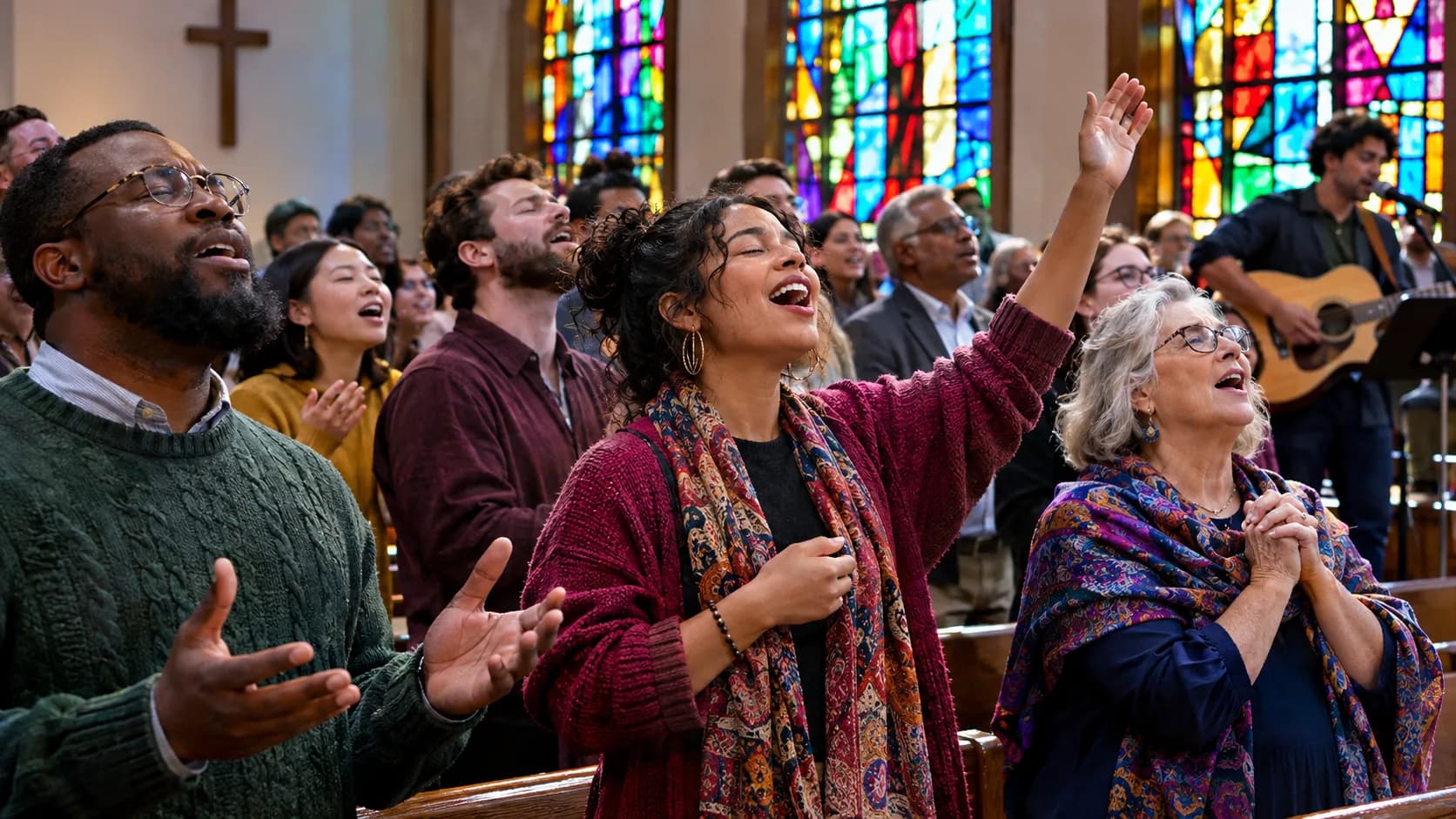
Christian traditions speak of salvation through Jesus Christ, with different emphases on grace, faith, and transformation.
Your quick checklist
- Ask how the church describes grace and faith.
- Ask how those beliefs shape everyday Christian life.
A question of trust and transformation
A useful way to compare traditions is to ask two questions. First, what does the church say God has done in Christ? Second, what does it say a person’s response and new life look like? Listen for whether good works are described as the price of God’s love or as the result of receiving grace. Also ask how the church understands doubt, failure, repentance, and restoration. These answers reveal not only doctrine, but the kind of spiritual care a community may offer.
Keep the differences in proportion
Words such as faith, grace, justification, sanctification, and salvation can mean different things in different traditions. Some disagreements are significant, but Christians also share a vocabulary and a hope centered on Christ. A respectful comparison describes a tradition in the terms its own teachers use and avoids reducing it to a caricature. For personal guidance, speak with a pastor or priest in the community you are exploring.
By denomination
These notes cover the ten traditions in our denomination guide. They combine background with practical questions to ask. A source from one church body does not speak for every church in its wider tradition; confirm local arrangements with your congregation.
Orthodox Christianity
Orthodox theology often describes salvation as healing and transformation, sometimes called theosis: becoming by grace what God is by nature, while remaining human. The emphasis is on healing and union with God, not a transaction or a human achievement.
Catholic Christianity
Catholic teaching emphasizes that salvation begins with God’s grace and is made possible through Jesus Christ. Catholics describe a continuing response to grace through faith, worship, and a life of love.
Baptist Churches
Baptist churches commonly emphasize personal faith in Jesus, repentance, and the gift of salvation by God’s grace. Baptists often connect assurance with trust in Jesus and a public confession of faith.
Pentecostal Churches
Pentecostal teaching generally centers salvation on God’s grace through faith in Jesus and calls believers to a changed life empowered by the Holy Spirit. Many Pentecostals describe the Spirit as empowering a life of witness and holiness.
Lutheran Churches
Lutherans place strong emphasis on justification by grace through faith: people are accepted by God because of Christ, not because they have earned it. The distinction between gift and fruit is central: good works follow faith rather than buy grace.
Methodist and Wesleyan Churches
Methodist and Wesleyan traditions stress God’s grace at every stage: grace that reaches people before they respond, grace that forgives, and grace that forms a life of holiness. Grace is understood as active before, during, and after a person’s response to God.
Presbyterian and Reformed Churches
Presbyterian and Reformed theology emphasizes God’s sovereign grace and salvation through Christ, received by faith. Good works are signs of faith and gratitude, not the price paid for God’s favor.
Anglican and Episcopal Churches
Anglican and Episcopal teaching is grounded in salvation through Christ and the primacy of God’s grace, expressed through scripture, worship, and sacramental life. Anglican communities may express this through different evangelical and sacramental emphases.
Seventh-day Adventist Churches
Seventh-day Adventists teach salvation as God’s gift through faith in Jesus, with obedience understood as the fruit of a trusting relationship rather than a way to earn salvation. Obedience is presented as a response to Christ, not a way to earn acceptance.
Nondenominational and Independent Churches
Many nondenominational churches use evangelical language: salvation is God’s gift, received through faith in Jesus, and it leads to repentance and a changed life. Independent churches may share evangelical language while differing on assurance and perseverance.
Prepared by NearMeChurch with AI assistance. Linked church sources explain specific practices; local arrangements can change. Suggest a correction.