How Christians Read the Bible Across Ten Traditions
Christians across denominations read the Bible as scripture, but they do not approach every passage in the same way. Some emphasize the Bible as the final authority for doctrine; others read it within the life of historic tradition and church teaching. Many combine close study, prayer, worship, and practical reflection. These methods can shape how Christians understand a difficult text, make ethical decisions, or hear a familiar passage anew. Knowing a tradition’s approach does not settle every interpretation, but it helps explain why sincere readers sometimes reach different conclusions.

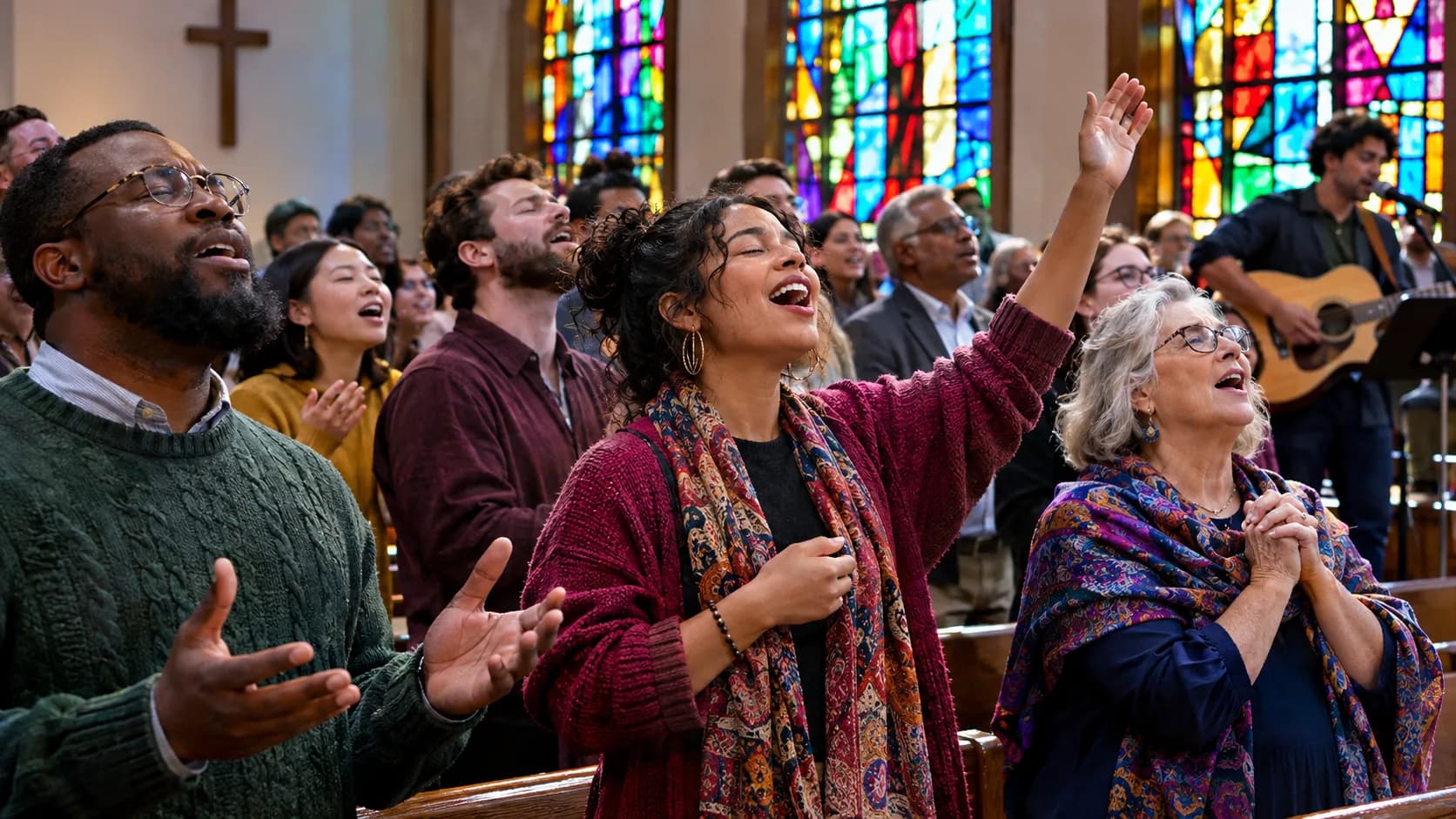
Christian traditions share a commitment to Scripture and read it within different patterns of worship, study, and teaching.
Your quick checklist
- Start by identifying the genre and reading the surrounding passage.
- Ask how the congregation studies challenging passages together.
A library, not a single genre
The Bible contains law, poetry, prophecy, Gospel, letters, and other forms of writing. Christians generally believe that genre, historical setting, and the passage’s place in the whole story matter. A poem should not be read as a legal code; a letter to an early church needs its context. Traditions differ over the role of church authority and inherited interpretation, but responsible reading in every tradition requires patience and attention to context.
Questions that help any reader
When a passage is difficult, ask: Who first heard these words? What kind of writing is this? What comes before and after? How does it relate to the rest of the Bible? What have trusted readers in my tradition said about it? Then ask what response the passage invites today. These questions do not remove disagreement, but they can slow down a quick conclusion and make room for humility.
Reading together
A church’s approach to the Bible can be seen in its preaching, study groups, and the way leaders handle disagreement. If you are exploring a congregation, ask how it interprets a passage where Christians differ. A thoughtful answer should explain the reasoning and acknowledge complexity. Christians may share the same text while approaching it through different histories, authorities, and habits of reading.
By denomination
These notes cover the ten traditions in our denomination guide. They combine background with practical questions to ask. A source from one church body does not speak for every church in its wider tradition; confirm local arrangements with your congregation.
Orthodox Christianity
Orthodox Christians read scripture within Holy Tradition, the continuous life of the Church that includes worship, councils, creeds, and the writings of early Christian teachers. This shared memory is heard in worship, so interpretation is not only an individual exercise.
Catholic Christianity
Catholic teaching holds scripture and Sacred Tradition together as one deposit of faith, interpreted within the teaching life of the Church. Official teaching helps guide interpretation, while Catholics are also encouraged to study scripture directly.
Baptist Churches
Baptists commonly emphasize the authority of the Bible and the responsibility of believers and local congregations to read and apply it. Local autonomy means interpretation can differ even among churches with the same Baptist name.
Pentecostal Churches
Pentecostal Christians affirm scripture as authoritative and often read it with an expectation that the Holy Spirit guides understanding and empowers faithful practice. Personal impressions are generally considered alongside the biblical text and the wider community.
Lutheran Churches
Lutherans give scripture a central place and read it through the lens of the gospel of grace in Christ. Historic confessions and the church calendar often guide how scripture is read and preached.
Methodist and Wesleyan Churches
Methodist and Wesleyan Christians place scripture at the heart of faith and often read it alongside Christian tradition, reason, and experience. Reading is expected to shape personal conduct and public service, not only answer abstract questions.
Presbyterian and Reformed Churches
Presbyterian and Reformed churches stress the authority of scripture and its interpretation through careful teaching, preaching, and study. Confessions offer a framework for reading while remaining accountable to scripture.
Anglican and Episcopal Churches
Anglican and Episcopal communities read scripture in worship and private devotion, alongside historic creeds and the church’s tradition of common prayer. Prayer-book readings place individual passages in a continuing cycle of communal worship.
Seventh-day Adventist Churches
Seventh-day Adventists emphasize the Bible as the source and standard of Christian belief and practice. Bible study often connects doctrine with prophecy, daily life, and the church’s mission.
Nondenominational and Independent Churches
Many nondenominational churches emphasize the Bible as the primary authority for Christian life and doctrine, with sermons and small-group study as common ways of learning. Because there is no central authority, compare the local church’s teaching with its stated beliefs.
Prepared by NearMeChurch with AI assistance. Linked church sources explain specific practices; local arrangements can change. Suggest a correction.